Trauma can happen to anyone at any time. When it happens, most of us are not equipped to deal with emotional or mental fallout. As a result, the symptoms of post-traumatic stress disorder (PTSD) can grow worse over time. The PTSD treatment program at Northern Illinois Recovery Center offers an anxiety treatment program in Northern IL, support, and healing for victims of trauma.
We offer a comprehensive post-traumatic stress disorder treatment program that includes a full assessment, individual and support group therapy, and holistic strategies that help you rise above your trauma. While you can’t change what happened to you, it is possible to redefine your life free from PTSD. We can help you every step of the way.
PTSD treatment centers in Illinois provide structured, clinical support for people living with trauma-related symptoms. Northern Illinois Recovery Center, located in Crystal Lake, Illinois, is committed to helping individuals and families find a path to recovery. The center offers PTSD treatment as part of a broader dual diagnosis program that also addresses co-occurring substance use disorders when present.
PTSD Treatment In Illinois: Who It Is For And How It Helps
Professional PTSD treatment helps individuals process traumatic experiences in a structured, supported setting. Treatment may reduce the frequency and intensity of symptoms, improve emotional regulation, and support longer-term mental health stability. The appropriate level of care depends on the severity of symptoms, the presence of co-occurring conditions, and individual treatment goals.
What Is Post-Traumatic Stress Disorder?
Not everyone who goes through trauma develops PTSD. Some people experience acute stress disorder (ASD) in the days immediately following trauma. ASD symptoms are similar to PTSD but resolve within a month. When symptoms persist beyond that window, a PTSD diagnosis may be appropriate.
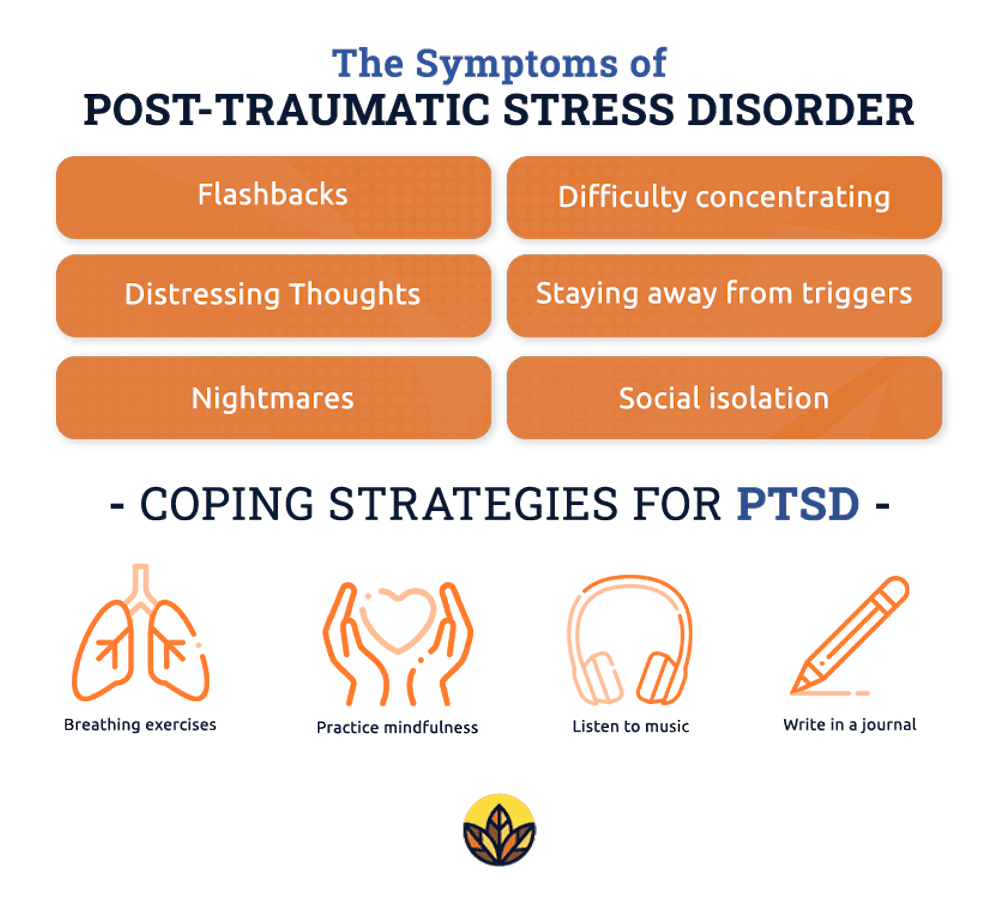
What Are The Signs And Symptoms Of PTSD?
- Intrusive memories, flashbacks, or unwanted thoughts about the traumatic event
- Nightmares related to the trauma
- Avoiding people, places, or situations that serve as reminders
- Emotional numbness or feeling detached from others
- Negative beliefs about oneself or the world
- Hypervigilance or being easily startled
- Irritability or angry outbursts
- Difficulty concentrating or sleeping
These symptoms can affect relationships, work performance, and overall well-being. Trauma can stem from many experiences, including combat, sexual assault, serious accidents, or witnessing violence.

How Does PTSD Treatment Work?
Treatment components may include individual therapy, group therapy, trauma-focused modalities, and holistic support. A multidisciplinary team works together to adjust the plan as treatment progresses. The level of care, whether residential, partial hospitalization, or outpatient, is matched to the individual’s clinical needs.
What Is Dual Diagnosis for PTSD and Addiction?
Dual diagnosis treatment addresses both PTSD and a co-occurring substance use disorder within an integrated plan. Rather than treating each condition separately, this approach recognizes how the two interact and tailors care accordingly. Treatment may include individual therapy, group therapy, and gender-specific programming where clinically appropriate.
What Therapies Are Used for PTSD at Northern Illinois Recovery Center?
Northern Illinois Recovery Center offers several evidence-based and supplemental therapies for PTSD, including:
- Cognitive behavioral therapy (CBT)
- Dialectical behavior therapy (DBT)
- Trauma therapy
- Motivational interviewing
- Experiential therapy
- Anger management
These therapies are used in combination based on each person’s clinical needs and treatment goals. No single therapy is appropriate for everyone, and treatment plans are adjusted over time.
Admissions and Insurance for PTSD Treatment
How Does Insurance Coverage for PTSD Treatment Work?
Many insurance plans provide coverage for mental health treatment, including PTSD, under federal parity laws. Northern Illinois Recovery Center works with a range of insurance providers. Individuals are encouraged to contact the admissions team directly to verify insurance coverage and understand any out-of-pocket costs before beginning treatment.
Why Choose Northern Illinois Recovery Center?
Treatment at Northern Illinois Recovery Center is tailored to each person’s symptoms, trauma history, treatment goals, and any co-occurring conditions. No two treatment plans are identical. The clinical team conducts a thorough assessment at intake and revisits the plan throughout treatment to reflect progress and changing needs.
Northern Illinois Recovery Center offers multiple levels of care, including medical detox, inpatient treatment, partial hospitalization (PHP), intensive outpatient (IOP), and standard outpatient services. This range allows individuals to enter at the level that fits their clinical needs and step down gradually as they stabilize, supporting continuity of care from early treatment through aftercare.
Northern Illinois Recovery Center works with insurance providers to help make treatment accessible. Individuals are encouraged to contact the admissions team to discuss coverage options and any financial concerns before beginning the admissions process.
PTSD Treatment in Illinois FAQs
PTSD treatment centers that offer dual diagnosis care address both PTSD and substance use disorders within a single, integrated treatment plan. This approach recognizes that the two conditions often interact and that treating them together can support more comprehensive recovery than addressing each in isolation.
Residential treatment may not be necessary for everyone with PTSD. The appropriate level of care depends on the severity of symptoms, safety considerations, the presence of a co-occurring substance use disorder, and how well a person is functioning in daily life. Some individuals do well in outpatient settings, while others benefit from the structure of a residential program.
Yes. PTSD can be treated independently of any substance use disorder. Treatment recommendations are based on an individual’s clinical needs, and not all people seeking PTSD treatment have a co-occurring addiction. A clinical assessment at intake helps determine the most appropriate treatment plan.
There is no single timeline for PTSD treatment. Duration varies based on the severity of symptoms, the presence of co-occurring conditions, the level of care, and individual treatment goals. According to NIMH, treatment response differs from person to person, and ongoing support after initial treatment can be an important part of long-term mental health management.
Begin treatment at Northern Illinois Recovery Center
Northern Illinois Recovery Center is dedicated to supporting individuals and families on the path to recovery, offering PTSD treatment alongside dual diagnosis care for those also navigating substance use concerns, with multiple levels of care available to match each person’s needs. Contact us today to start your recovery journey.