

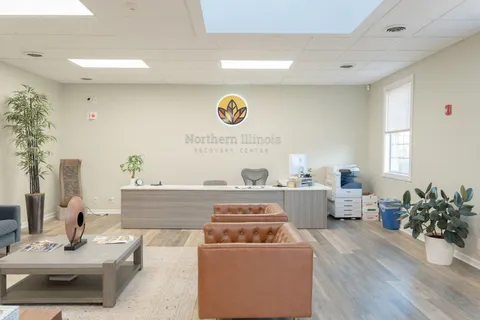




Facility tour
Crystal Lake, Illinois

At Northern Illinois Recovery Center in Crystal Lake, Illinois, we understand that taking the first step toward recovery can feel overwhelming, but it doesn’t have to be faced alone. Detox is a critical foundation in the continuum of care for addiction treatment, with studies showing that up to 80% of individuals trying to quit substance use without professional support return to use due to the challenging symptoms of withdrawal.
That’s why our compassionate medical detox center is designed to provide the safety, care, and professional guidance needed to begin recovery with a solid start. With 24/7 medical oversight and personalized support, we help ease the physical and emotional burdens of withdrawal, ensuring every individual can focus on healing with dignity and comfort. At Northern Illinois Recovery, detox isn’t just a process–it’s the gateway to a healthier, brighter future.
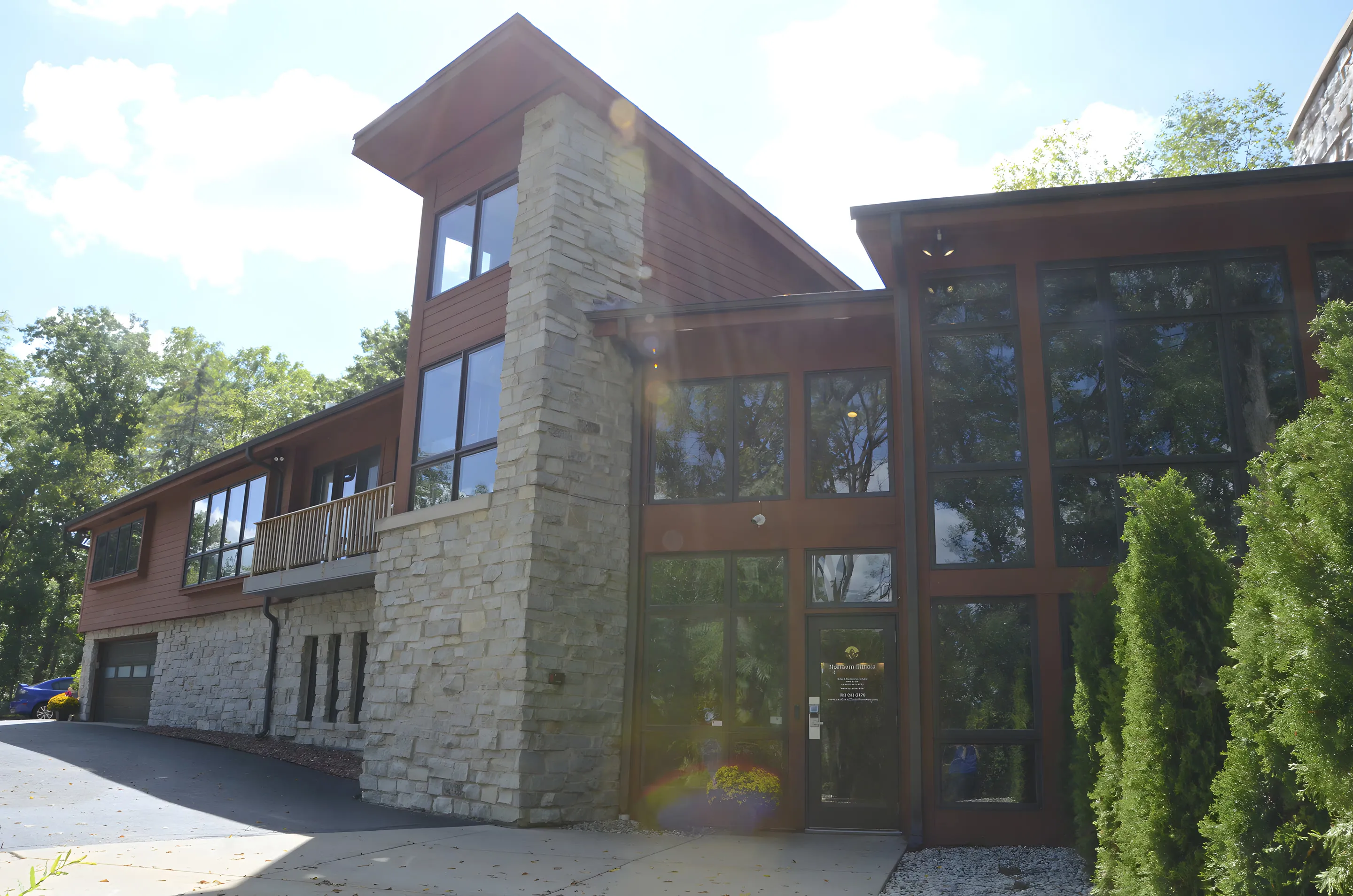
Detox, or detoxification, is the initial step many individuals take on the path to recovery from substance abuse or substance use disorder (SUD). It is the process of clearing harmful substances, such as drugs or alcohol, from the body while managing the often challenging symptoms of withdrawal.
Detox is a critical component of treatment because it helps individuals break their physical dependence on substances, creating a clean foundation for long-term recovery. Without this key step, addressing the psychological, emotional, and behavioral aspects of addiction can be incredibly difficult.
Northern Illinois Recovery Center provides medically managed withdrawal (detox) on-site, at a facility licensed for detox and residential care by IDHS/SUPR (#A-2616-0002-A) and accredited by The Joint Commission.

Detox serves as a starting point, but not a standalone fix, for treating substance use disorders. Its primary aim is to help individuals safely manage withdrawal symptoms while removing toxins from their system. Properly managed detox provides a safe and stable environment, reducing both physical and emotional distress, which can also aid in relapse prevention during this critical phase.
Detox also offers individuals a chance to begin recovery with a clear mind and body, paving the way for comprehensive therapy and treatment. By addressing the physical effects of addiction first, individuals are better equipped to engage in the next steps of care, such as individual counseling, group therapy, and personal growth.
Withdrawal symptoms can vary depending on the substance abused, but many share similar physical and psychological effects. At a holistic detox center, including fentanyl detox, these symptoms are carefully monitored and managed, providing support as individuals begin their recovery journey. These symptoms can range from mild to severe and can occur across various substances.
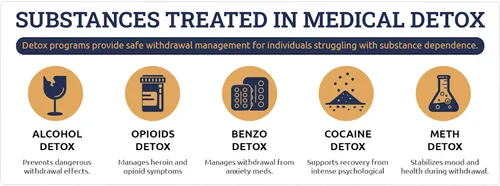
One of the largest determinants of the detox process is the substance or substances an individual has been using. Different substances affect the brain and body in unique ways, leading to varying withdrawal symptoms. Each substance requires specific medical protocols to manage withdrawal safely, underscoring the importance of professional care during detox.
Alcohol Detox:
Benzo Detox:
Cocaine Detox:
Heroin Detox:

Detoxification is influenced by various risk factors, including those associated with the substance, the individual’s physical and mental well-being, and environmental conditions. The safety and complexity of the detox process can differ significantly based on these factors.
Feel free to contact us if you require any further information about our services
Everyone has different needs when it comes to drug detox. Northern Illinois Recovery Center follows a three-step process that is considered best practice for drug detox centers in Illinois and all over the country.
Our professional medical staff will review the patient’s medical history, history of mental health disorders, and history of addiction. Doctors will run several different blood tests to determine the amount of illicit drugs or alcohol present in the body. After a comprehensive review, the medical team will decide on what medications will be best suited. They will also develop a recommended long-term treatment plan.
After evaluation, the next step is to stabilize the patient with medication management and therapy. The main goal in this step is to prevent any dangerous withdrawal symptoms from causing harm. To reduce the chance of any complications, doctors will prescribe addiction treatment medications and monitor their progress. This stage focuses on providing both physical and emotional stabilization to prepare the person for the next steps in their lasting recovery.
Once the detox process is complete, the individual is encouraged to transition into a continuum of care, such as residential treatment, outpatient programs, or dual diagnosis treatment. Addiction treatment specialists will discuss what options are available and make recommendations based on their initial evaluation and the detox. Addiction treatment programs offer the best chance of long-term recovery from substance use disorder.
Once you complete your detox, you are ready to start the next phase of treatment with Northern Illinois Recovery Center. Aftercare services give you the tools, education, support, and strength you need to get back on your feet and live life without addiction. Our program includes continued therapy, relapse prevention training, and sober living options.
To learn if visiting a medical detox center is right for you or your loved one, explore the answers to frequently asked questions below.
Detoxing at home is not typically safe or effective. It is vital to have professional medical supervision to make the experience as comfortable as possible and ensure that, if any complications arise, they are immediately addressed. Withdrawal symptoms can trigger other health issues or exacerbate or make underlying health concerns more severe. This is why it isn’t a good idea to attempt self-detox or go ‘cold turkey’.
Drug and alcohol detox can last a few days up to a few months. As discussed previously, several different factors determine how long a drug detox will last. While going through the intake process, you will be able to speak with a detox specialist to gain better insight into what the treatment process will be like for you. Since drug detox is unique for each person, it is difficult to speculate what your exact experience will be. However, the goal is always to make sure anyone attending our drug detox center in Illinois is safe and supported with comprehensive care.
During detox, you may be prescribed medications to help decrease discomfort from withdrawal. These medications may include anticonvulsants, benzodiazepines, or even Methadone or Buprenorphine. Under medical supervision, the use of these prescriptions is safe and helps support you through detox.
The cost of medical detox can depend on your insurance coverage. Many insurance providers, including Medicare and Medicaid, cover the cost of addiction treatment. At Northern Illinois Recovery Center, we’re dedicated to making addiction care accessible. Our admissions team can help you understand and verify your insurance coverage.
Yes, it’s recommended to participate in an addiction treatment rehab program after detox. Long-term recovery is a lifelong commitment, and continuing care plays a vital role in maintaining sobriety after detox. This might include residential addiction treatment or outpatient counseling.
Addiction treatment programs provide the structure and support needed to address the physical, emotional, and psychological aspects of substance use disorder. Sustained recovery is about staying engaged, building a strong support system, and remaining dedicated to personal growth.
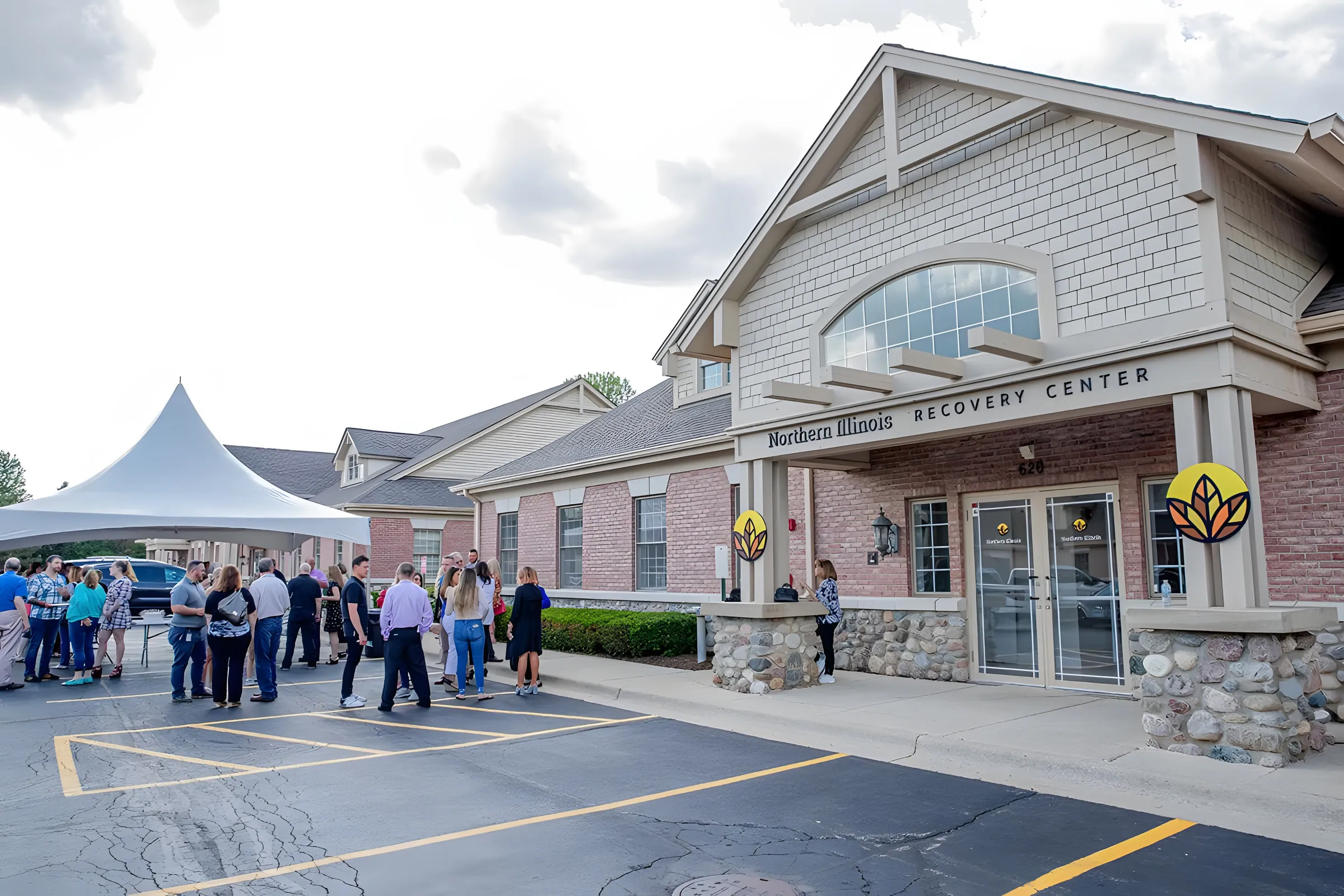
Take our new rehab center tour and get familiar with Northern Illinois Recovery Center. If you’re ready to start the steps to recovery, give us a call to begin your journey to a healthier life at 855.458.1739.
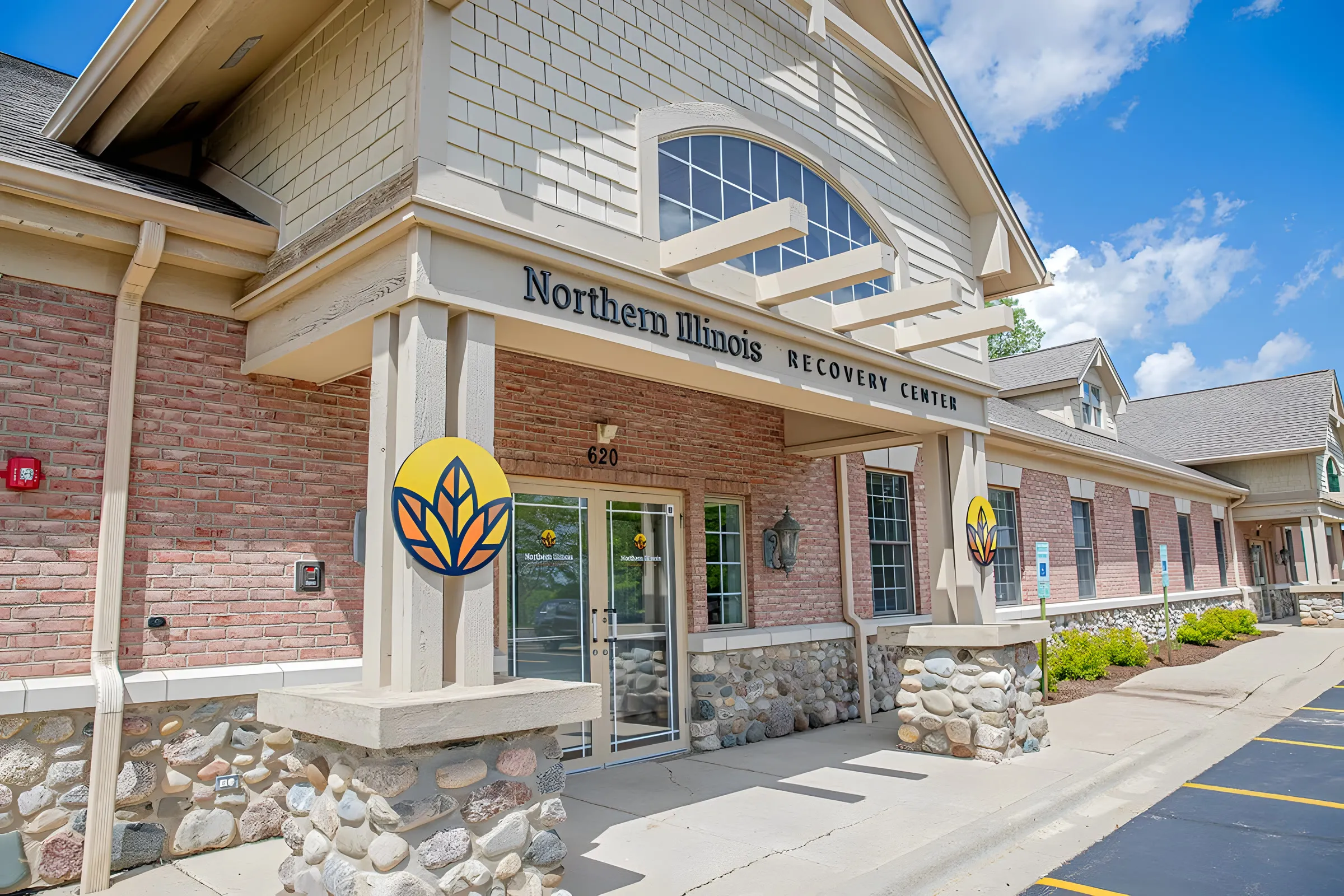
Northern Illinois Recovery Center offers a wide range of treatment options in our state-of-the-art and unique facility.





What Our Patients Say…
Amazing place! The staff at NIRC are absolutely wonderful!They are all very kind, caring dedicated, and compassionate. Their program is truly a godsend… it works if you work it!Every single person there I have to thank for turning my life around and helping me get sober. I met so many wonderful people, and am glad I chose them for my recovery!!!
I always rave about how amazing this rehab was and how positively it impacted me. I was not the same person I was coming in as I was coming out. I recommend this out of any rehab center. 100% worth it, please if you're struggling with addiction I promise NIRC will help. The community, the skills such as cooking shopping etc, the outings really help you reconnect with the world and get you off on a very strong foot for your recovery journey. Don't wait.
I had a good experience and learn a lot from this program. The staff worked really hard to get me a place to go. I am now in sober living. I enjoyed my time at this treatment center. Everybody did a great job and excellent job..it’s the best I’ve ever been . I came here on a grant .Now the journey continues
Great place more freedom than usual rehabs and teaches you how to be independent and preps you for living on your own and taking cadre of yourself. Weekends are filled with fun and a activity like top golf, arcades, bowling, etc...
Staff was amazing and they do such an amazing job to help the journey for sobriety
Patient reviews load here on the live site.

Long-term recovery is a lifelong commitment, and continuing care plays a vital role in maintaining sobriety after treatment. This might include attending support groups like AA or NA, participating in outpatient counseling, or enrolling in aftercare programs designed to provide ongoing support. Sustained recovery is about staying engaged, building a strong support system, and remaining dedicated to personal growth.
Starting the recovery process after visiting a detox center may feel overwhelming, but with the right support and resources, it’s entirely possible to build a life free from addiction. Remember, you don’t have to face this alone. Reach out for help, and take the next step toward a brighter, healthier future. Healing is within reach.
Regardless of what addiction you are struggling with, Northern Illinois Recovery Center provides complete recovery from your substance abuse. To find out more about our highly accredited detox center, contact us today and verify your insurance with us. We can help you break the cycle of addiction and reclaim your life once again.