There are many reasons why a person may be reluctant to accept help for a substance use disorder. They may not believe they have a problem, fear change, lack awareness of the severity of their condition, or feel overwhelmed by the stigma associated with addiction. In these situations, professional intervention services in Crystal Lake, Illinois, can play a critical role in helping individuals recognize the need for treatment and take the first step toward recovery.
At Northern Illinois Recovery Center, we provide compassionate, structured intervention services designed to support families and loved ones in guiding individuals toward effective addiction treatment. Our team understands how challenging it can be to confront a loved one, which is why we work closely with families to create a supportive, unified environment that encourages acceptance of help.
Intervention is often the starting point in breaking the cycle of substance abuse. With the right guidance, it can open the door to detox, rehab, and long-term recovery while helping restore communication and trust within families.
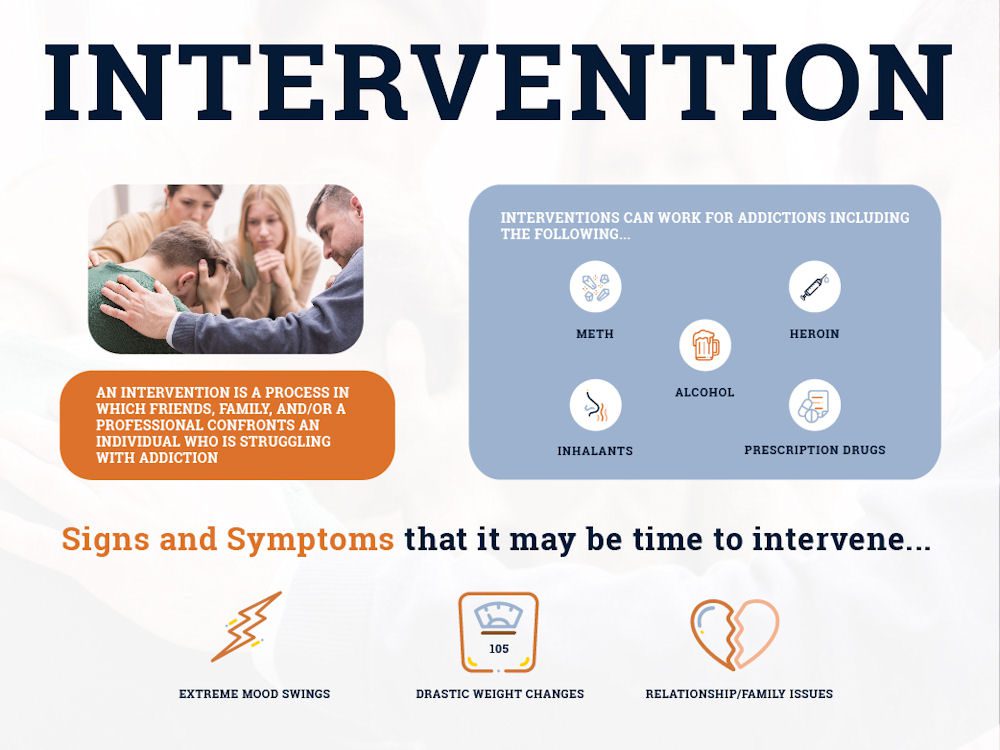
During an intervention, participants share personal experiences in a calm, compassionate, and non-judgmental manner. Each person explains how the individual’s substance use has affected their relationship, responsibilities, and overall well-being. This unified message helps reduce denial and promotes accountability.
Intervention services in Crystal Lake, Illinois, can be used to address a wide range of substance use disorders, including:
Key Focus Areas of Our Intervention Services
- Encouraging honest, compassionate communication
- Presenting a unified and consistent message
- Helping the individual acknowledge the severity of their condition
- Guiding immediate admission into treatment when appropriate
- Reducing enabling behaviors within the support system
By leveraging professional guidance, intervention services help individuals move beyond denial and take meaningful steps toward recovery. In many cases, this leads directly to enrollment in structured programs such as detox, residential treatment, or outpatient care, marking the beginning of long-term healing.
When Are Intervention Services Necessary?
Common warning signs include:
- Extreme mood swings such as anxiety, depression, irritability, or paranoia
- Noticeable changes in physical appearance, including weight loss, poor hygiene, or unexplained injuries
- Frequent absences from work, school, or home without explanation
- Dishonest or secretive behavior, including lying or stealing
- Strained or deteriorating relationships with family and friends
- Unexplained financial difficulties or repeated requests for money
- Job instability, poor performance, or frequent job loss
- Changes in social circles, often associating with others who use substances
In addition, many individuals struggling with addiction also experience co-occurring mental health disorders such as depression, anxiety, or trauma-related conditions. In these cases, professional intervention services can help families recognize the need for dual diagnosis treatment, which addresses both substance use and underlying mental health conditions simultaneously.
What Do Intervention Services Involve?
A comprehensive intervention plan may include:
- Identifying and preparing participants
- Defining clear goals and expectations
- Assigning roles to each participant
- Coaching participants on communication strategies
- Coordinating treatment options before the intervention
- Preparing for possible reactions and outcomes
Professional intervention services ensure that the process remains structured, organized, and focused on encouraging the individual to accept help while minimizing conflict and emotional escalation.

Types of Intervention Services
Different approaches to intervention services may be used depending on the individual’s circumstances, family dynamics, and severity of the addiction.
Family-based intervention services focus on how addiction impacts the entire household system. This approach emphasizes education, communication, and boundary-setting while helping families heal together.
Key components include:
- Developing healthier family dynamics and communication patterns
- Establishing clear expectations and consequences
- Addressing generational or systemic patterns of behavior
- Building healthy coping mechanisms
- Participating in guided family therapy sessions
Family interventions can take time, but are highly effective in supporting long-term recovery and rebuilding trust within relationships.
The field model of intervention is a flexible and dynamic approach that provides support before, during, and after the intervention process. It is particularly useful in complex or high-risk situations where additional structure is needed.
This model may include:
- Crisis intervention when safety concerns are present
- Continuous guidance throughout the intervention process
- Immediate coordination of treatment placement
- Follow-up support for both the individual and the family
The field model ensures continuity of care and helps families navigate each stage of the recovery journey with professional support.
Steps in the Intervention Process
Before the intervention takes place, it is essential to have treatment options identified and ready. Northern Illinois Recovery Center offers several levels of care, including:
- Drug and alcohol detox
- Residential treatment
- Partial hospitalization program (PHP)
- Intensive outpatient program (IOP)
- 12-Step programming
- Medication management
- Medication-assisted treatment (MAT)
- Dual diagnosis treatment
The appropriate level of care depends on factors such as the severity and duration of substance use, medical needs, and any co-occurring mental health conditions.
An effective intervention team typically consists of 4–6 individuals who are close to the person struggling with addiction. This may include family members, close friends, coworkers, or clergy members.
In many cases, including a professional interventionist is highly recommended to guide the process, maintain structure, and ensure the conversation remains productive.
Setting boundaries is a vital component of effective intervention services. Boundaries help reduce enabling behaviors and reinforce accountability while still offering support.
Examples of boundaries may include:
- Not allowing substance use in the home
- Limiting financial assistance
- Restricting access to shared vehicles or resources
- Requiring treatment participation to maintain certain privileges or support
Clear boundaries help communicate seriousness while encouraging the individual to take responsibility for their actions.
Seek Support for Yourself
Intervention services are designed not only to support the individual struggling with addiction but also to guide and support the family throughout the process.

Intervention Services FAQ
Interventions should be held in a neutral, private setting where the individual feels safe but not overly comfortable. The environment should be controlled and free from distractions.
The team should consist of close friends and family members, ideally 4–6 people. Including a professional interventionist is highly recommended to ensure structure and effectiveness.
Preparation is key. Coordinate with an interventionist, research treatment options in advance, and prepare for emotional responses. A well-organized approach increases the likelihood of a positive outcome.
If successful, the individual typically enters a treatment program, such as inpatient rehab or outpatient care. Continued support through aftercare programs, therapy, and support groups is essential for maintaining long-term recovery.

Intervention Services Are Available at Northern Illinois Recovery Center
If you are concerned about a loved one and believe intervention services may be necessary, contact our team today. Our admissions specialists are available to help you understand your options and connect your loved one with the appropriate level of care in Illinois.