




Our Proven Treatment Process
Medical detox represents an essential phase in the process of recovering from addiction. Our drug and alcohol detox program helps detrimental substances from the body, enabling individuals to liberate themselves from their physical reliance on drugs or alcohol. Before entering one of our treatment programs, clients will undergo the detoxification process in a safe environment, monitored by a team of trained medical professionals.
Residential treatment or inpatient rehab delivers continuous support and therapy to those struggling with drug and alcohol addiction. This type of program is especially effective for individuals with more serious conditions. Our committed staff provides around-the-clock care and creates personalized treatment plans to meet the unique needs of each individual living at our facility. Inpatient treatment at our Illinois rehab center lasts 30-90 days or more depending on a person’s circumstance. Learn more about our inpatient drug rehab in Illinois!
Our partial hospitalization program (PHP), also referred to as “day treatment programs,” presents a structured yet adaptable method that offers essential support and resources to individuals dealing with addiction and mental health disorders, enabling them to uphold their regular daily routines. PHPs are an ideal match for individuals unable to commit to an inpatient program but still require a high level of care.
We recognize the distinct difficulties individuals encounter when addressing moderate addiction and mental health concerns. Our intensive outpatient program (IOP) delivers a more intense form of care than a standard outpatient program. Clients will be encouraged to uphold their daily obligations through structure and routine. NIRC’s IOP is a well-organized and adaptable recovery program that integrates therapy, support, and education to promote enduring transformation.
Outpatient rehab is suitable for individuals with less severe addiction issues, allowing them to receive treatment while continuing to fulfill their daily obligations such as work or school. This option enables patients to maintain a sense of independence by undergoing therapy sessions at home instead of in a residential facility. Clients in our outpatient program attend counseling sessions 2-3 times a week, for up to two hours.
Residing in a sober living home enables individuals to smoothly reintegrate into society with continuous support from their peers and family. Our sober living program in Illinois offers residents crucial advantages and resources vital for sustaining long-term sobriety. We’re dedicated to delivering tailored support to prevent relapse, increasing their chances to lead a successful and substance-free life.
Comprehensive Care for Addiction, Mental Health, and Co-Occurring Disorders
Licensed by the Illinois Department of Human Services (IDHS/SUPR) and accredited by The Joint Commission.
Our Proven Treatment Process
Our behavioral health facility is designed to support healing from both addiction and mental health conditions in a structured and supportive environment. Care is delivered through a coordinated continuum, including:
- Medical detox
- Residential treatment
- Partial hospitalization program (PHP)
- Intensive outpatient program (IOP)
- Outpatient care
- Aftercare and recovery support
- Virtual behavioral health services
We remain committed to evidence-based, individualized care that supports long-term recovery outcomes.

Detox

Residential Treatment

Partial Hospitalization Programs (PHPs)

Intensive Outpatient Program (IOP)

Outpatient Program

Sober Living
Behavioral Health Services Offered at NIRC
Our behavioral health treatment approach integrates addiction and mental health care into one coordinated system. Instead of treating symptoms in isolation, we focus on the full clinical picture of each individual.
Key components of care include:

Psychiatric evaluation and medication management

Individual and group
therapy

Cognitive behavioral therapy
(CBT)

Dialectical behavior therapy (DBT) skills training

Trauma-informed
care

Relapse prevention and coping skills development
This integrated approach helps clients build emotional stability while addressing the root causes of both addiction and mental health challenges.
Testimonials
Addiction Treatment
Our treatment approach is evidence-based and individualized, focused on helping clients safely stop substance use while building the skills needed for long-term recovery. We treat a wide range of substance use disorders, including:
- Drug addiction
- Alcohol use disorder
- Prescription medication dependence
- Polysubstance use
Through medically supported detox, residential care, and outpatient programming, clients receive structured treatment tailored to their clinical needs and recovery goals.
Drug Rehab
At NIRC, we specialize in addiction treatment. As a top drug rehab in Illinois, we provide evidence-based care for a wide range of substances. Whether someone is entering treatment for the first time or continuing recovery, we offer support at every stage.
Alcohol Rehab
Alcohol use disorder can significantly impact health, relationships, and daily life. Our alcohol rehab program in Crystal Lake, IL, provides structured, compassionate care for individuals ready to begin recovery.
Addiction Quiz
Substance use can develop gradually and become difficult to recognize. Our addiction quiz helps identify whether current habits may indicate a need for treatment.
Mental Health Treatment
Common conditions we treat include anxiety, depression, trauma-related symptoms, and emotional regulation challenges, all of which can significantly affect daily functioning and quality of life.
Our clinical team provides integrated mental health support for:
- Anxiety disorders
- Depression and mood disorders
- Trauma and PTSD-related symptoms
- Emotional regulation challenges
- Co-occurring (dual diagnosis) conditions
Treatment includes individual therapy, group support, and psychiatric care when needed, with a focus on emotional stability, coping skills, and long-term psychological wellness.
Facility Tour
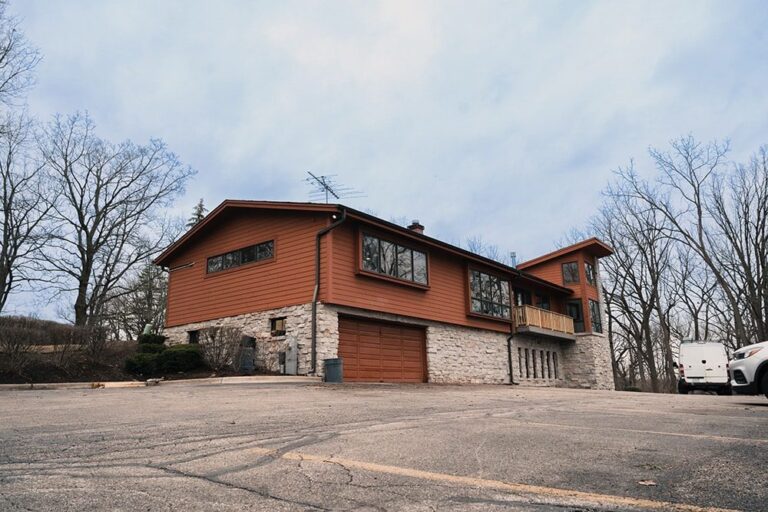
Inpatient Campus
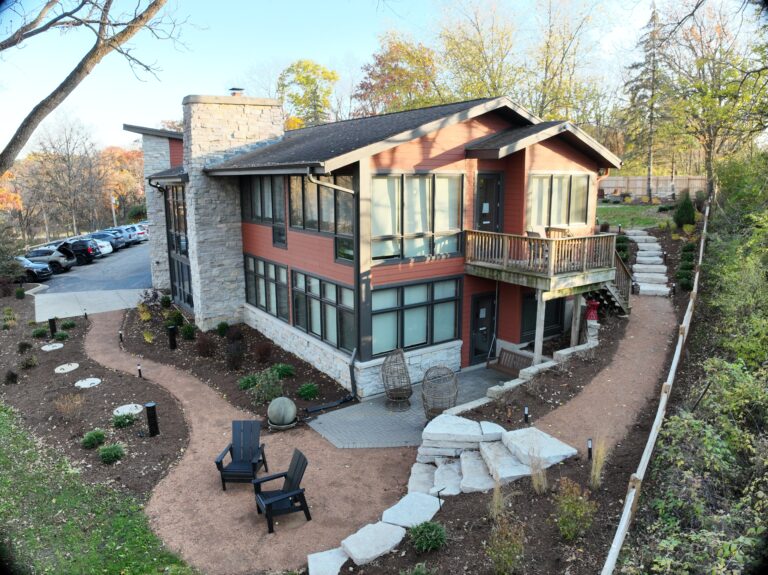
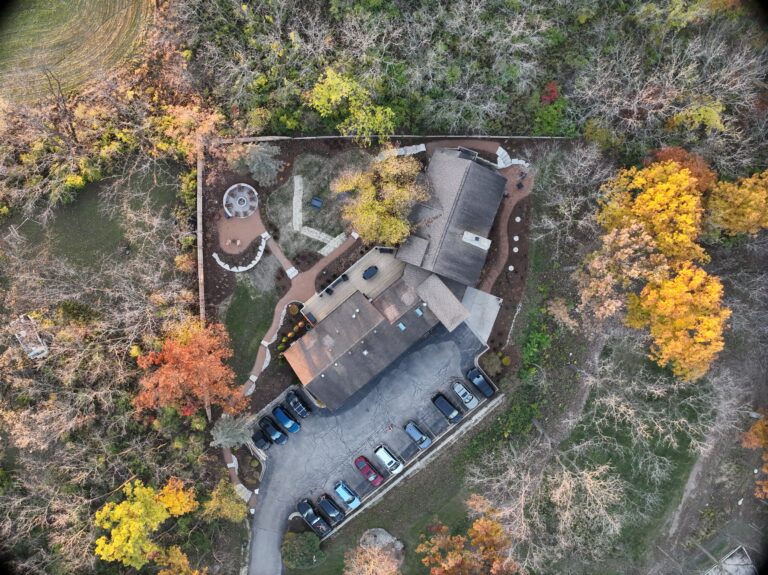
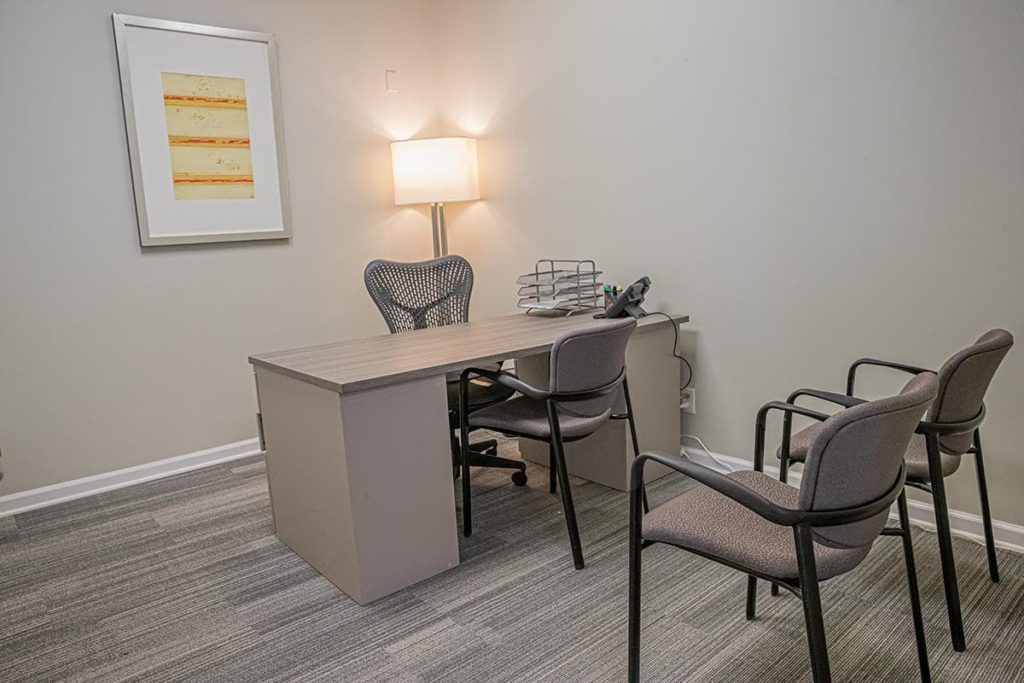
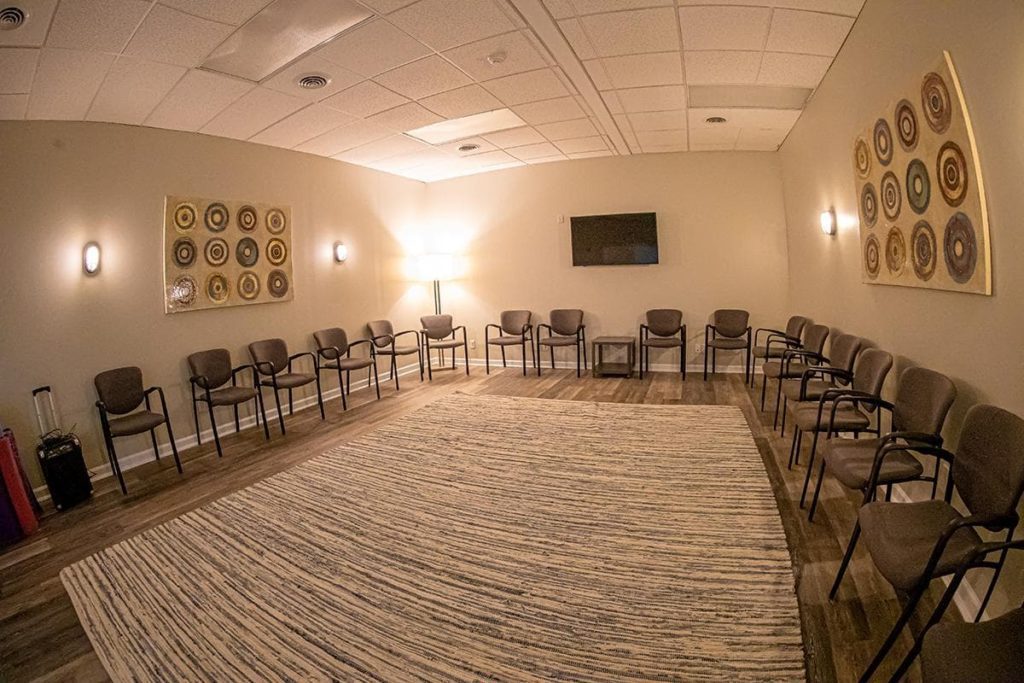
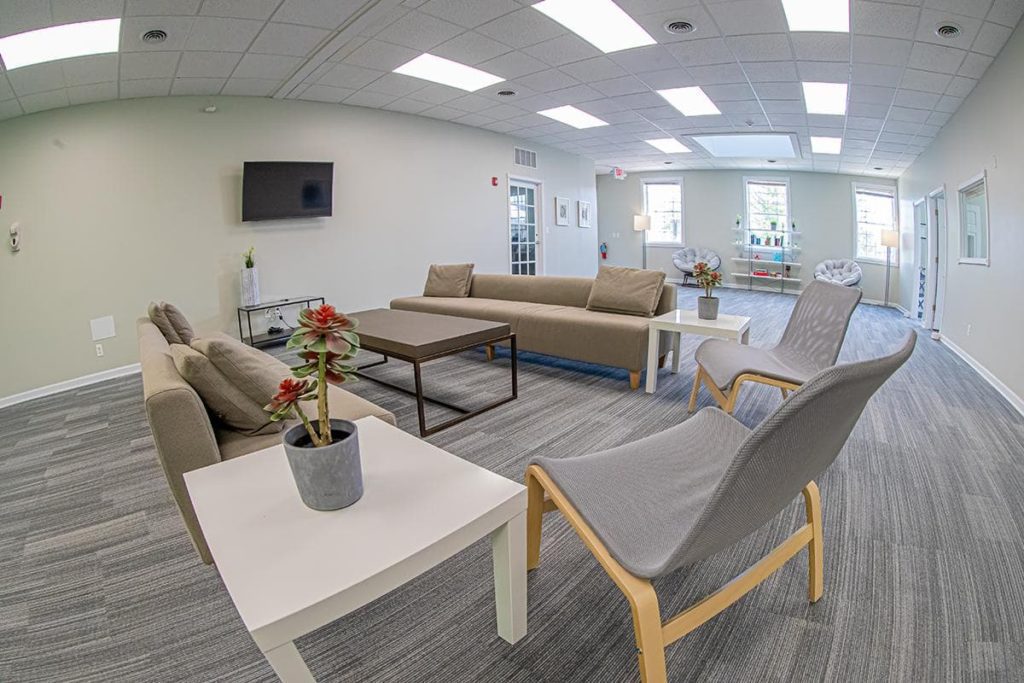
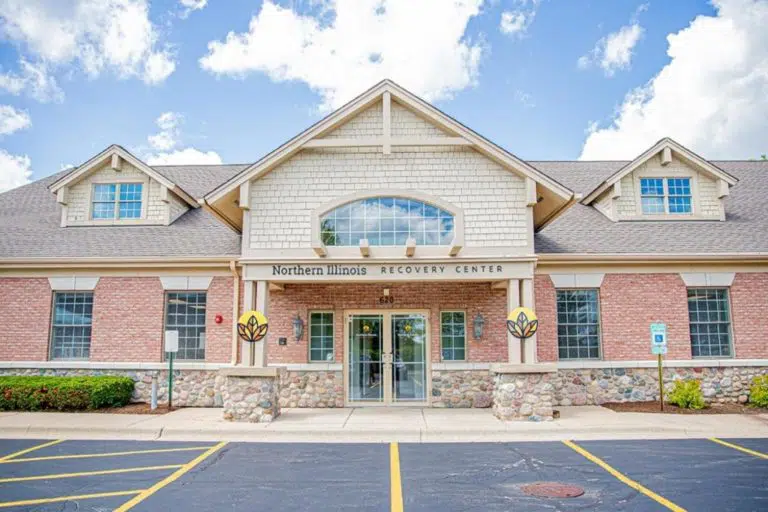
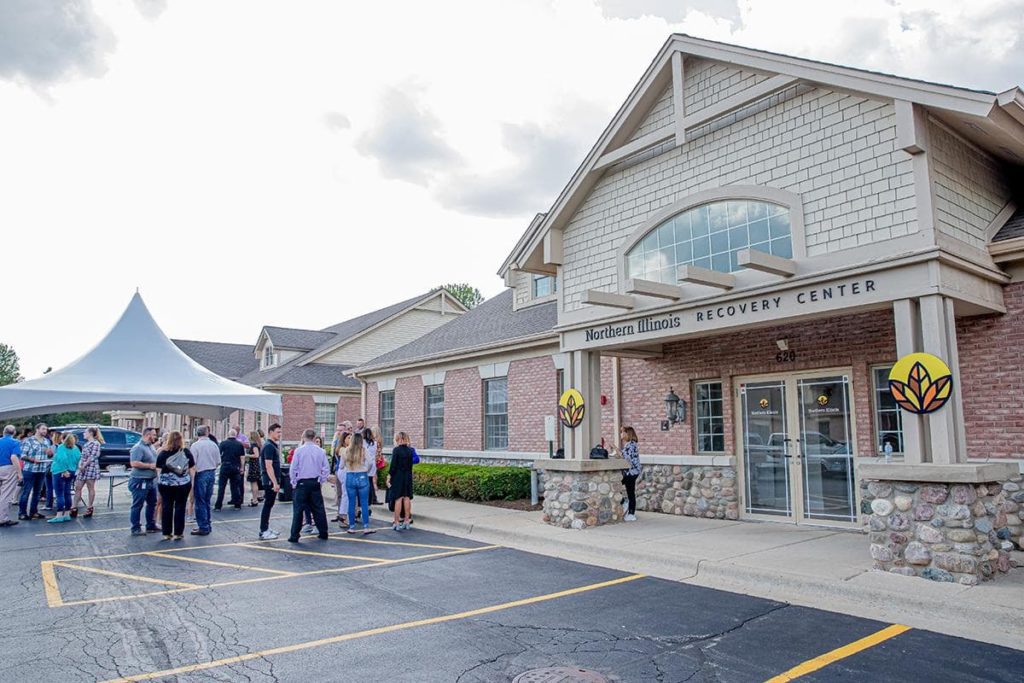
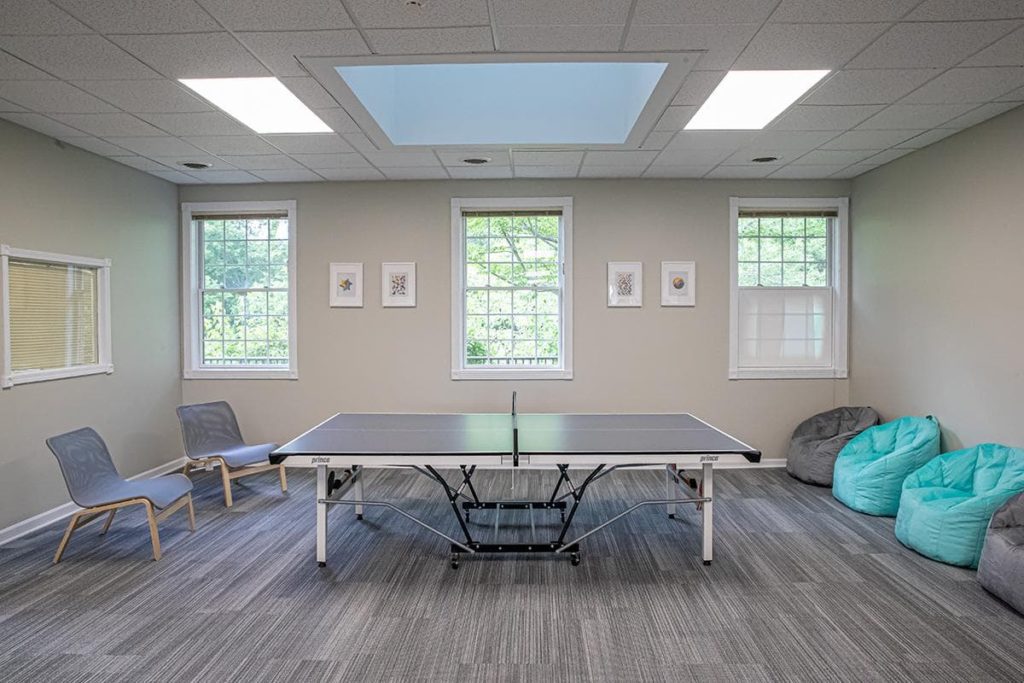
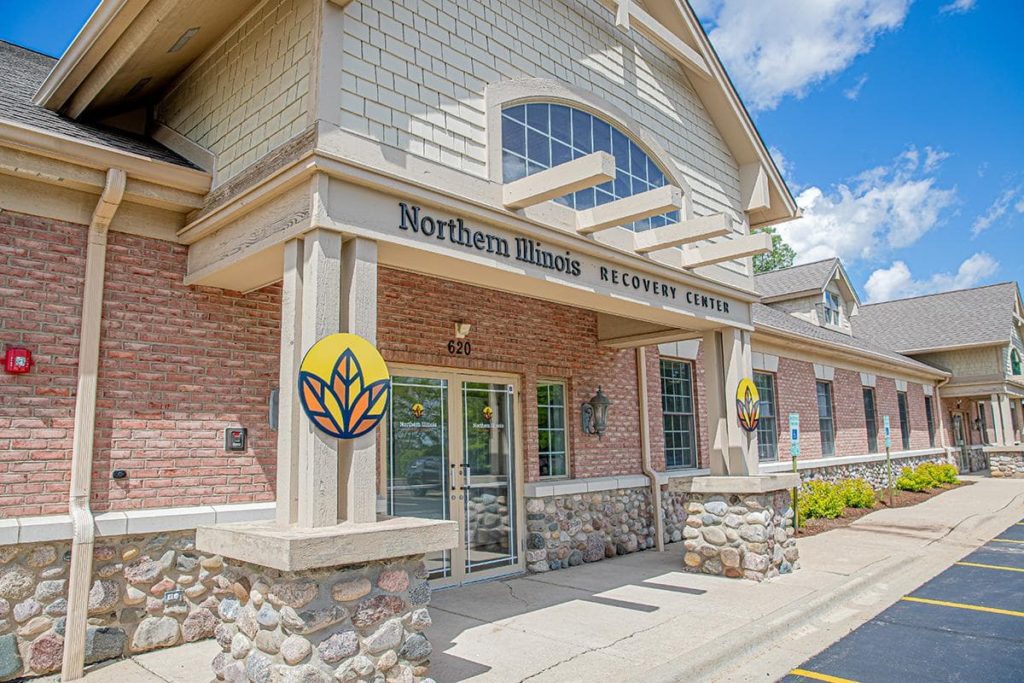
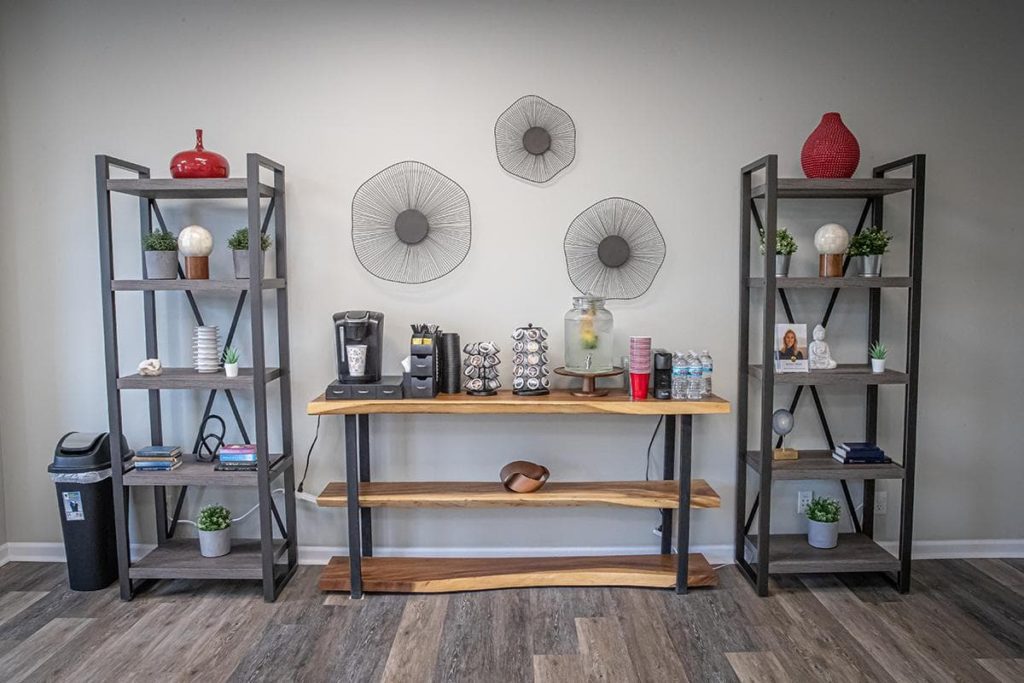
Our inpatient campus offers a wide range of treatment options in a modern, state-of-the-art facility designed to provide a safe, supportive environment for recovery.
 16 Bedrooms
 Only 41 miles from O’Hare Airport
 Luxury Amenities
 See more images






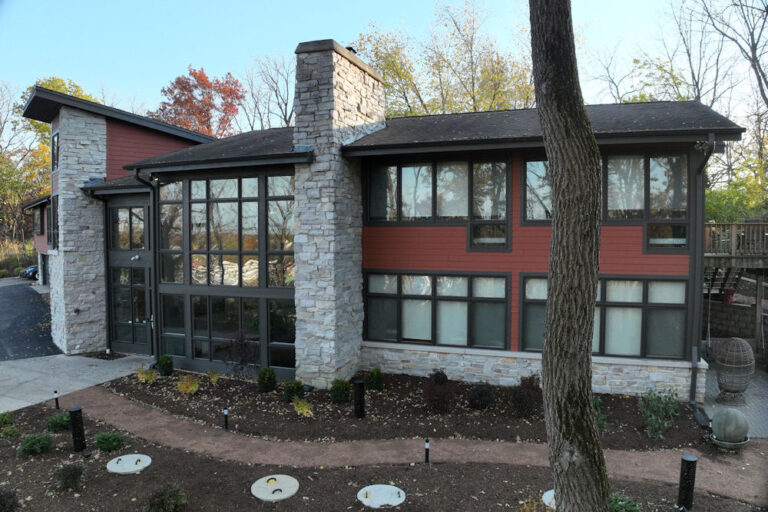








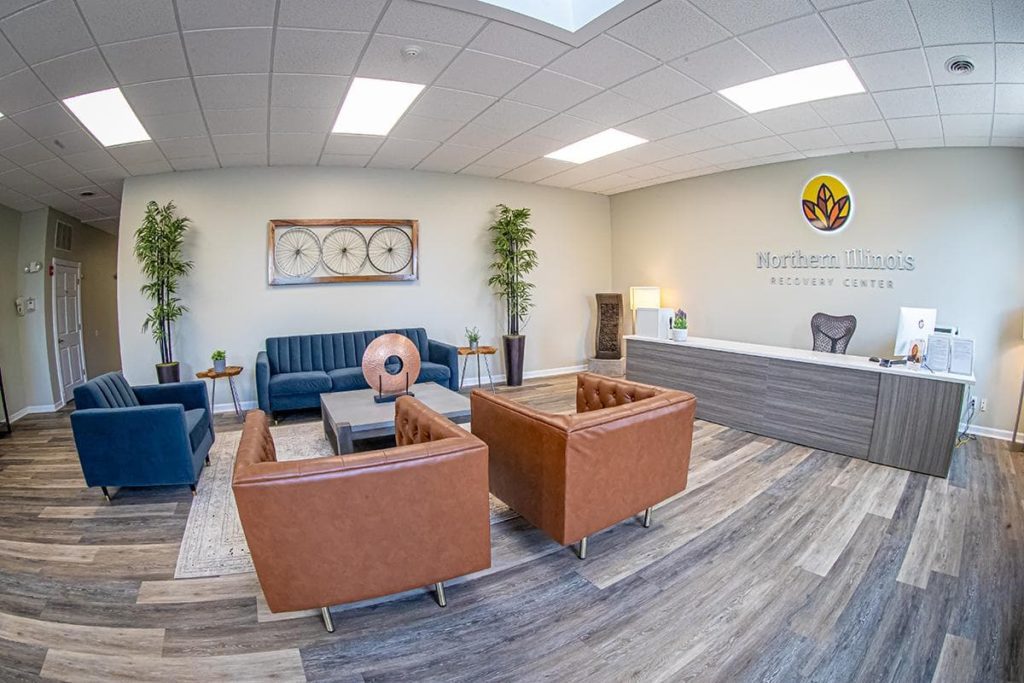
Outpatient Campus
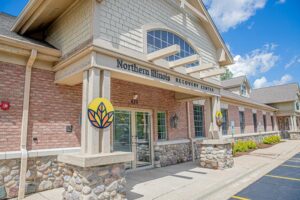
Northern Illinois Recovery Center offers a wide range of treatment options in our state-of-the-art and unique facility.
16 Bedrooms
Only 41 miles from O’Hare Airport
Luxury Amenities
See more images
Who and What We Treat
We support a wide range of individuals and conditions, including:
- Substance use disorders
- Mental health conditions
- Co-occurring disorders (dual diagnosis)
- Adolescents and adults
- Individuals with gender-specific treatment needs
We also offer specialized, population-responsive care for those who benefit from more structured or tailored programming, including men’s, women’s, and adolescent-focused treatment approaches.
Every treatment plan is fully personalized, ensuring care aligns with each client’s clinical presentation, life circumstances, and long-term recovery goals.
Teen Mental Health
With a focus on therapeutic care and real world skill building, the program allows teens to receive consistent treatment while staying connected to home, school, and family life. Our team is committed to helping teens and their families find stability, understanding, and a path toward long term emotional wellness.
Not sure where to start?
Meet Our Behavioral Health Experts
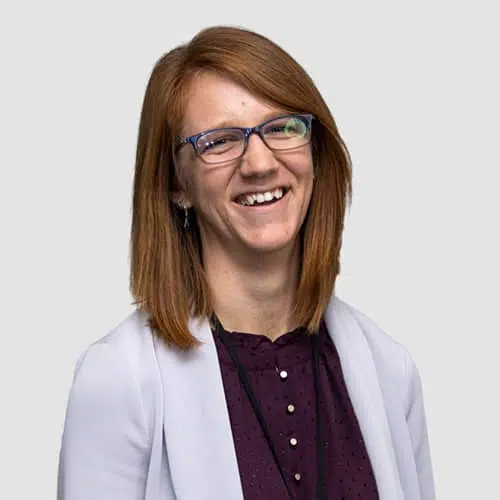
Caitlyn McClure, DSW, LCSW
Clinical care at Northern Illinois Recovery Center is led by Caitlyn McClure, DSW, LCSW, a Licensed Clinical Social Worker and Doctor of Social Work. As Vice President of Clinical Services, she oversees NIRC's clinical programming and clinical team across the center's continuum of care, from medically managed withdrawal and residential treatment through partial hospitalization and outpatient services.
"I do this work because I believe that people can find within themselves the strengths and resources to change their lives. I also believe in doing the deeper work that leads to lifelong change and a better life overall." — Caitlyn McClure, DSW, LCSW
Education & Licensure
Caitlyn earned her Doctor of Social Work (DSW) from Aurora University and her Master of Social Work (MSW) from Saint Louis University, following a bachelor's degree in counseling from Newman University. She is a Licensed Clinical Social Worker (LCSW) in the state of Illinois.
Clinical Approach
Caitlyn's work centers on trauma-informed, evidence-based care. She leads NIRC's clinical staff in delivering individualized treatment that addresses substance use alongside co-occurring mental health conditions, with an emphasis on clinical quality, clinician development, and measurable patient outcomes. She joined Northern Illinois Recovery Center in 2019 after practicing as a therapist in community behavioral health.
Research & Scholarship
Caitlyn is a published researcher. Her scholarship examines the professional quality of life of behavioral health providers, including burnout, secondary traumatic stress, and compassion satisfaction, and the impact of the opioid epidemic on the clinicians who treat it. Her peer-reviewed publications include:
McClure, C., Anderson, J., Jang, E. Y., Birong, G., Brunn, P., & Krier-Jenkins, A. (2022). Understanding the Impact of Resident Assistant Experiences on Their Professional Quality of Life. The Journal of College and University Student Housing.
Anderson, J. J., Thomas, M. D., McClure, C., Winiecki, A., Lavin, M. M., Sorensen, B., & Gundacker, J. (2022). An exploratory study on the impact of the opioid epidemic on providers. Traumatology. https://doi.org/10.1037/trm0000341
McClure, C., & Anderson, J. J. (2022). Exploring Reliability and Validity for the Professional Quality of Life Scale. Journal of Social Science Research. https://doi.org/10.24297/jssr.v18i.9196
A complete list of her research is available on her ORCID profile: https://orcid.org/0000-0002-1820-7056
Connect
To learn more about our staff, please visit https://www.northernillinoisrecovery.com/about/staff/.
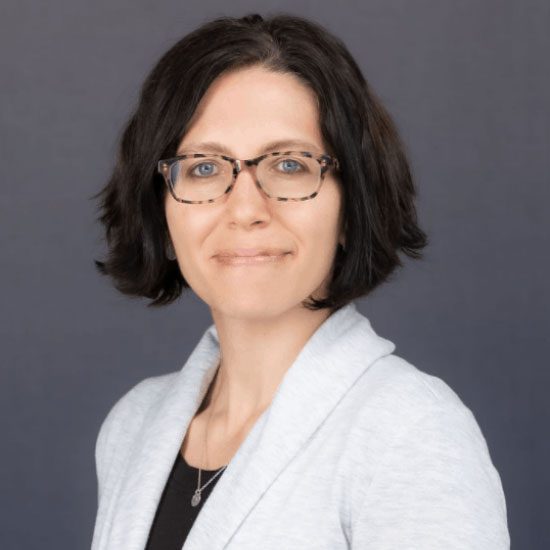
Dr. Beth Dunlap, MD
Beth Dunlap, MD, is the Medical Director of Northern Illinois Recovery Center, where she leads the medical care behind every level of the program, from medically managed withdrawal through residential and outpatient treatment. She is board-certified in both Family Medicine (American Board of Family Medicine) and Addiction Medicine (American Board of Preventive Medicine), a dual certification that lets her treat the whole patient: the substance use disorder and the physical health around it.
Education & Board Certification
Dr. Dunlap earned her medical degree and completed her family medicine residency and fellowship at Northwestern University, where she served on the faculty of the Department of Family and Community Medicine until 2020. She holds board certification in Family Medicine (American Board of Family Medicine) and Addiction Medicine (American Board of Preventive Medicine).
Clinical Focus
Her clinical work centers on evidence-based addiction care, medication-assisted treatment (MAT), harm reduction, and the integration of primary care into recovery. As Medical Director, she oversees the medical services behind NIRC's full continuum of care, coordinating physician oversight across the center's levels of treatment.
Academic & Teaching Roles
Beyond direct patient care, Dr. Dunlap has spent much of her career training other clinicians to deliver evidence-based addiction and behavioral health care.
- Course Director & Subject Matter Expert, Substance Use Disorders — ECHO-Chicago, University of Chicago (2026). Designed and led a grant-funded, 12-week case-based curriculum training medical and behavioral health professionals on the core concepts of substance use disorder care.
- Course Director, Opioid Use Disorder in Primary Care — ECHO-Chicago, University of Chicago (2017–2020). Designed and led a grant-funded, 12-week case-based curriculum on integrating complex behavioral health care into primary care settings, educating and mentoring 50+ physicians, APNs, and PAs through an interactive tele-mentoring network.
- Subject Matter Expert — Illinois Project ECHO for the Judiciary, State of Illinois (2020–2021). Designed and co-led a grant-funded, 8-week medical-legal curriculum for Illinois State Judges to strengthen understanding of evidence-based medical treatments.
- Subject Matter Expert & Medical Educator — BRIDGE HCV Initiative, State of Illinois (2020–2021). Developed and delivered a CME/CE-accredited series on hepatitis C (HCV) management, presenting 20+ live sessions to clinicians across the state.
- Featured Instructor — Providers Clinical Support System (PCSS) MAT Waiver Training courses (2017–2019), teaching physicians to prescribe buprenorphine-based treatment for opioid use disorder.
Research & Scholarship
Dr. Dunlap has written on addiction medicine and primary care for national medical audiences, including a first-author article on opioid use disorder in JAMA.
Peer-Reviewed Publications
- Dunlap B, Cifu AS. Clinical Management of Opioid Use Disorder. JAMA. 2016;316(3):338–339. View article (doi:10.1001/jama.2016.9795)
- Dunlap B, Weyer GW. Pulmonary Hypertension: Diagnosis and Treatment. American Family Physician. 2016;94(6):463–469. View article
- Weyer GW, Dunlap B, Shah S. Hypertension in Women: Evaluation and Management. Obstetrics and Gynecology Clinics of North America. 2016;43(2):287–306. View on PubMed
- Dunlap B, Shelke K, Salem S, Keith L. Folic Acid and Human Reproduction—Ten Important Issues for Clinicians. Journal of Experimental & Clinical Assisted Reproduction. 2011;8:2.
- Dunlap B, Paice JA. Chemotherapy-Induced Peripheral Neuropathy: A Need for Standardization in Measurement. Journal of Supportive Oncology. 2006;4(8):398–399. View on PubMed
Selected Presentations & Grand Rounds
- Dunlap B. Medication-Assisted Treatment of Opioid Use Disorder: The Role of Buprenorphine-Based Treatment in Primary Care. Northwestern Lake Forest Case-Based CME Conference; October 28, 2016.
- Shah A, Dunlap B. A Case of Heroin Overdose and Treatment of Opioid Use Disorder in Pregnancy. Northwestern Lake Forest Hospital Grand Rounds; June 27, 2017.
- Golden J, Dunlap B. Evidence-Based Management of Opioid Use Disorder in the Primary Care Setting. Family Medicine Midwest Conference; October 5, 2017.
- Hamlish T, Dunlap B. Building Community Capacity to Screen, Treat, and Cure Hepatitis C. Alliance of Chicago Conference; April 27, 2016.
- Benfer E, Dunlap B. Achieving Health Equity and Social Justice: Next Steps for MLP in Illinois. Chicago Bar Association; June 2015.
Additional Presentations
- Golden J, Dunlap B. Primary Care Management of Heart Failure: A Case-Based Approach. Family Medicine Midwest Conference; October 8, 2016.
- Chapman C, Zimmerman A, Dunlap B. Integrated Medical-Legal Partnerships for Special Populations. American Bar Association (ABA) Equal Justice Conference; May 13, 2016.
- Dunlap B. Poverty, Justice, and Health Outcomes: A View From the Front Lines. Loyola University School of Law; September 2015.
- Dunlap B, Dschida D. Asthma Synthesis and Assessment. Illinois Academy of Family Physicians (IAFP) Annual Meeting; October 2015.
- Dunlap B, Fleming M. CURAR: Chicago URban Agriculture Research — A Pilot Project. IAFP Resident Research Webinar; May 26, 2011.
Co-instructor, PCSS MAT Waiver Training sessions — University of Chicago (June 6, 2019), Advocate Christ Medical Center (September 26, 2019), and Northwestern Lake Forest Hospital (May 19 & December 6, 2019; and with E. Salisbury, June 6, 2017).
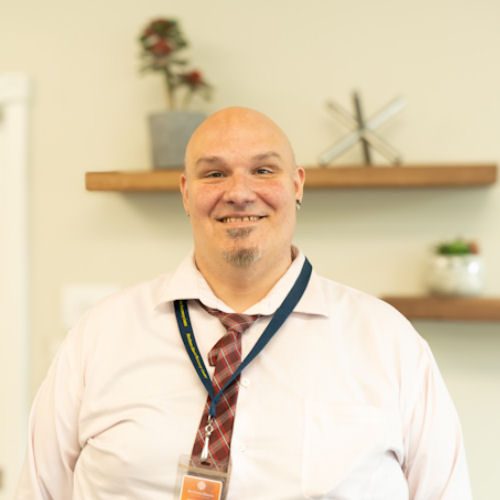
Derek Hilburger, LCSW, ICDVP
Derek graduated from Loyola University Chicago with a BA in Theater and then returned for a Masters in Social Work with focuses in mental health and children/families. He used this diverse academic background to dive into a variety of clinical implementations including running an after school theater program with inner city youth, serving as a crisis intervention specialist at a therapeutic day school, working as the youth director and then Director of Operations at a transitional living program, and accumulating over seven years working in behavioral health hospitals in varied roles. Most recently, Derek was the supervisor of education programs at a domestic violence agency. His therapeutic ideology is that each person is unique in their own way and he aims to highlight an individual’s strengths to overcome any obstacles. Derek leans into this strengths-based model with strong focuses on DBT, CBT, family systems theory and multiple intelligence theory in his practice.
Behavioral Healthcare FAQs
Behavioral health treatment focuses on improving mental health, emotional well-being, and substance use concerns through therapy, medical care, and structured support. It works by identifying underlying issues and using evidence-based interventions to create lasting behavioral change.
Yes. We provide integrated care for both mental health conditions and substance use disorders, treating them together to improve long-term recovery outcomes.
Dual diagnosis treatment addresses both a mental health disorder and a substance use disorder at the same time. This coordinated approach helps prevent symptoms from being treated in isolation.
We offer a full continuum of care, including detox, residential treatment, partial hospitalization (PHP), intensive outpatient (IOP), outpatient care, and virtual services.
Yes. We provide both inpatient (residential) and outpatient levels of care, allowing treatment to match each person’s clinical needs and schedule.
You may benefit from treatment if mental health symptoms, substance use, or both are affecting your daily functioning, relationships, or ability to cope.
Many insurance plans do cover behavioral health treatment. Coverage depends on your specific provider and benefits, which our admissions team can verify.
You can expect a personalized treatment plan that may include therapy, group support, medical care, and skill-building focused on recovery and stability.
Length of treatment varies based on individual needs, progress, and level of care, ranging from short-term stabilization to longer-term support programs.
Yes. Family involvement is encouraged through therapy, education, and support services when clinically appropriate.
After treatment, clients receive aftercare planning, relapse prevention support, and continued care options to help maintain progress.
Yes. All treatment is confidential and protected under HIPAA regulations, with strict privacy standards maintained at every level of care.
Latest Blogs From Northern Illinois Recovery
Adolescents struggling with substance use disorders or co-occurring mental health…
Summer is often seen as a time of joy, energy,…
As the school year begins, many teens experience a mix…