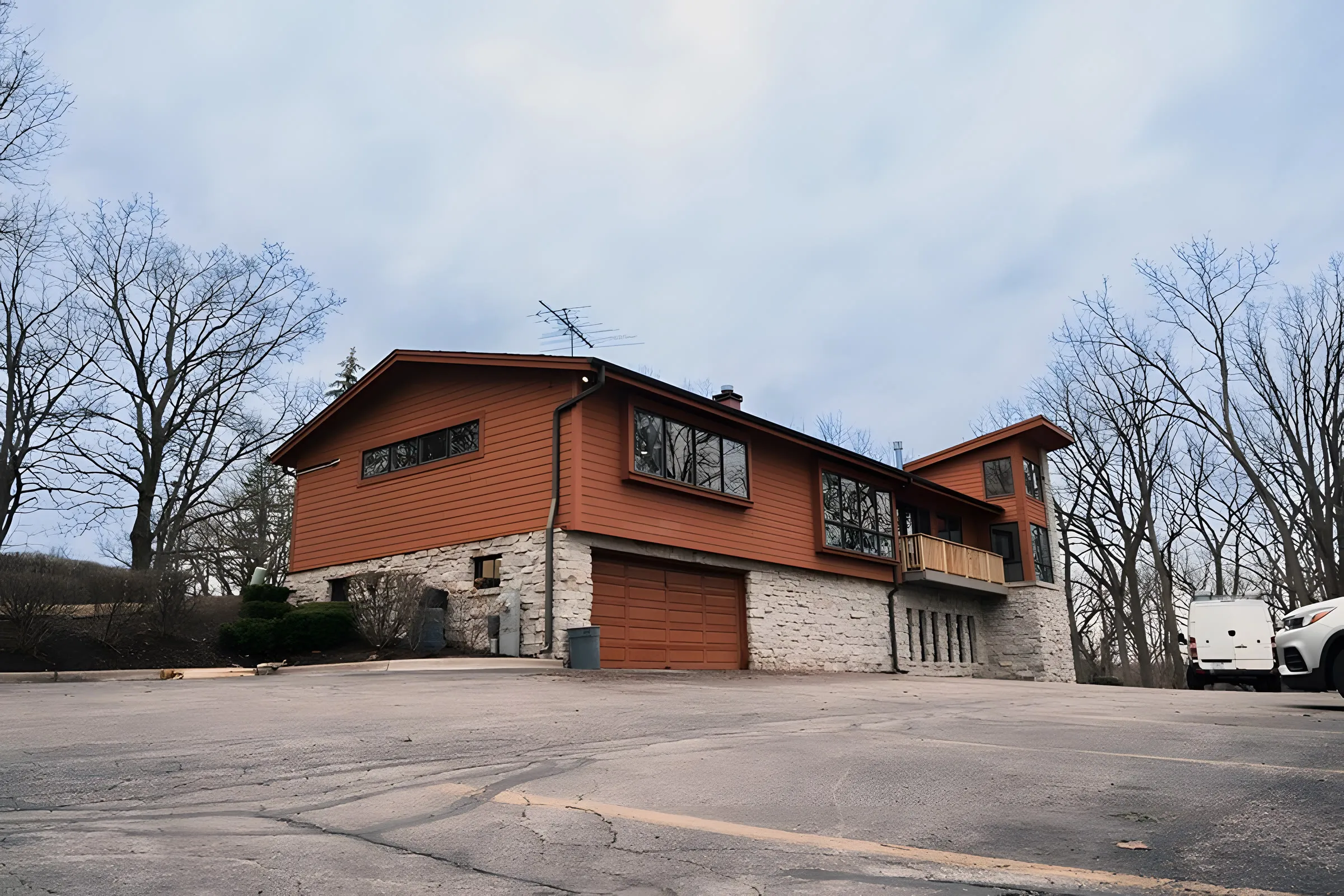






Facility tour
Crystal Lake, Illinois

Drug addiction presents a complex and multifaceted challenge in Illinois, impacting individuals, families, and communities across the state. Its effects span health, social, and economic domains, leading to profound consequences that necessitate comprehensive responses.
Our drug rehab center in Illinois is dedicated to helping our clients effectively cope with and overcome the challenges they face with drug addiction and mental health through a continuum of care.

According to the Illinois Department of Public Health and the National Institute on Drug Abuse (NIDA), issues regarding drug addiction have increased over the span of several years.
Opioid Overdose Deaths: Illinois has seen a significant rise in deaths attributed to opioids, including prescription opioids, heroin, and particularly synthetic opioids like fentanyl.
Prescription Drug Misuse: A substantial number of individuals misuse prescription drugs, often obtaining them from friends or relatives, highlighting the need for secure medication storage and cautious prescribing.
Heroin and Fentanyl Crisis: The state faces a severe challenge with heroin, especially fentanyl, which is notably more potent and has been linked to a considerable increase in overdose fatalities.
Youth Drug Use: Marijuana is the most commonly used illicit substance among Illinois youth, with prescription drugs also being misused for non-medical reasons.
Treatment and Recovery Services Demand: The demand for inpatient drug and alcohol rehabs in Illinois, including fentanyl detox Illinois, indicates a significant need for accessible care options, though many still do not receive the help they need.
Drug overdose is a leading cause of preventable death in Illinois, with opioids, particularly fentanyl, driving a significant increase in fatalities. The rising trend in overdose deaths not only reflects the severity of drug addiction but also underscores the urgent need for effective drug intervention and treatment strategies.
Spread of Infectious Diseases
Intravenous drug use is a key factor in the spread of infectious diseases such as HIV/AIDS and hepatitis C. Sharing needles, and other drug paraphernalia increases the risk of transmission, posing public health challenges that require targeted prevention and education efforts.

Drug addiction can lead to family breakdowns, with children often the most affected. It can result in parental neglect, abuse, and a higher likelihood of children entering the foster care system. Communities also suffer from increased crime rates, including drug trafficking and related violence, contributing to a cycle of instability and insecurity.
There’s a strong correlation between drug addiction and co-occurring mental health disorders. Individuals with substance use disorders are more likely to experience conditions such as depression, anxiety, and psychosis. This bidirectional relationship complicates treatment and recovery, emphasizing the need for integrated care approaches.

Drug addiction affects the state’s workforce through increased absenteeism, decreased productivity, and higher rates of workplace accidents. Businesses incur significant costs due to these issues, alongside increased healthcare expenses and insurance premiums.
The economic burden extends to public resources, with increased demand for healthcare services, law enforcement, and criminal justice interventions. Funding for addiction treatment and prevention programs, while essential, also places a strain on state budgets.
Feel free to contact us if you require any further information about our services
The state of Illinois has implemented various strategies to combat drug addiction, focusing on enhancing access to treatment, expanding harm reduction services such as needle exchange programs, and increasing the availability of Naloxone to reverse opioid overdoses.
Collaborative efforts involving government agencies, healthcare providers, community organizations, and law enforcement aim to tackle the root causes of addiction, provide support for those affected, and reduce the overall impact on the state.

At Northern Illinois Recovery Center, we offer a range of services to help individuals recover from drug and alcohol addiction. We offer drug and alcohol detox, inpatient treatment, outpatient treatment programs, and aftercare services for residents of Illinois and people from all across the country. Some of the types of addiction we treat include:
Alcohol
Alcohol addiction, also known as alcohol use disorder, is a chronic condition characterized by an inability to control or stop drinking despite adverse consequences. It often leads to significant health, social, and psychological issues. Treatment for alcohol addiction typically involves a combination of therapies, including detoxification, counseling, medication, and support groups, all aimed at helping individuals manage withdrawal symptoms, address underlying psychological issues, and develop coping mechanisms for long-term sobriety.
Illicit Drugs
Drug addiction, or substance use disorder, is a chronic disease characterized by compulsive drug seeking and use despite harmful consequences. It affects brain function and behavior, leading to an inability to control drug intake.
Prescription Drugs
This type of addiction can involve various classes of medications, including opioids, benzodiazepines, stimulants, and others. Despite being legally prescribed, these drugs carry significant risks for dependence and addiction when misused.
Stimulants
Stimulant drug addiction is a form of substance use disorder characterized by the compulsive use and abuse of stimulant drugs, which are substances that increase activity in the brain and nervous system. Stimulants can be either prescription medications or illicit drugs, and they are known for their stimulating effects, such as increased alertness, energy, and euphoria.
Drug addiction, also known as substance use disorder, encompasses a range of physical, psychological, and behavioral signs and symptoms that can vary depending on the substance used, the duration of addiction, and individual differences. Recognizing these signs can be pivotal in seeking help early. Here are some of the common symptoms associated with drug addiction:
Recognizing these signs in oneself or others can be the first step toward seeking treatment and recovery. Drug addiction is a complex disease, but with the right support, intervention, and resources—available at a holistic rehab Illinois, including sober living programs—recovery is possible.
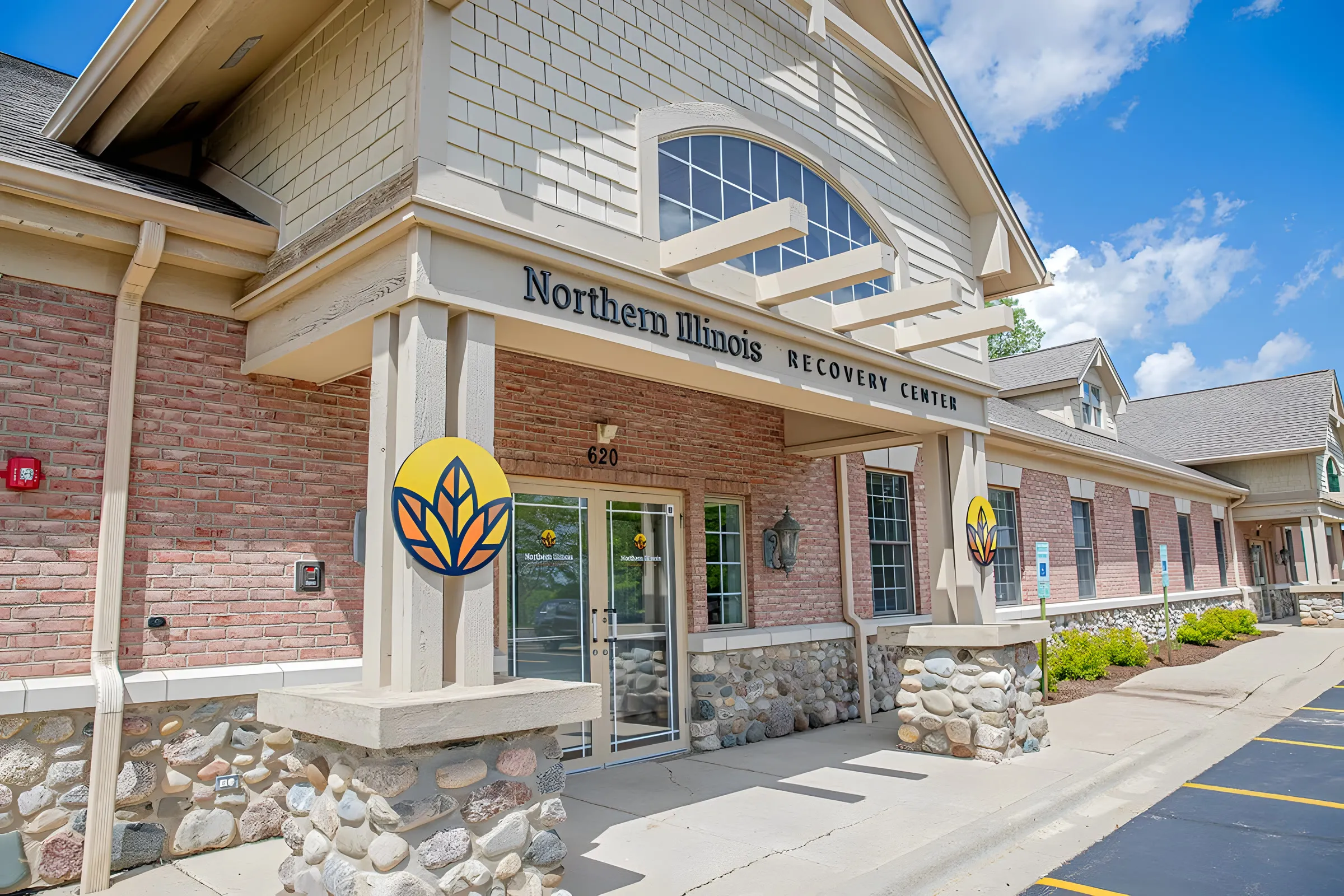
Take our new rehab center tour and get familiar with Northern Illinois Recovery Center. If you’re ready to start the steps to recovery, give us a call to begin your journey to a healthier life at 855.458.1739.
Northern Illinois Recovery Center offers a wide range of treatment options in our state-of-the-art and unique facility.






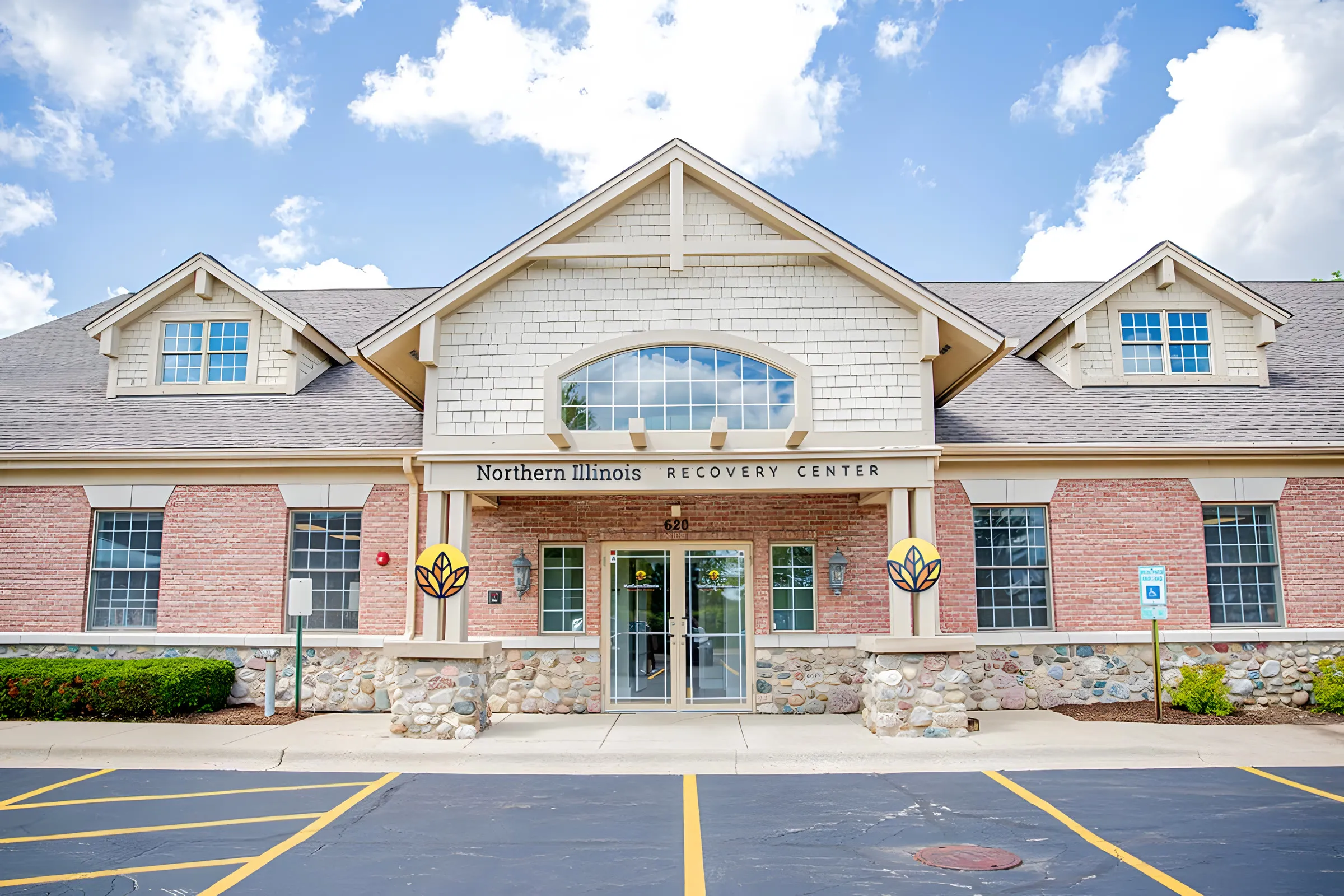
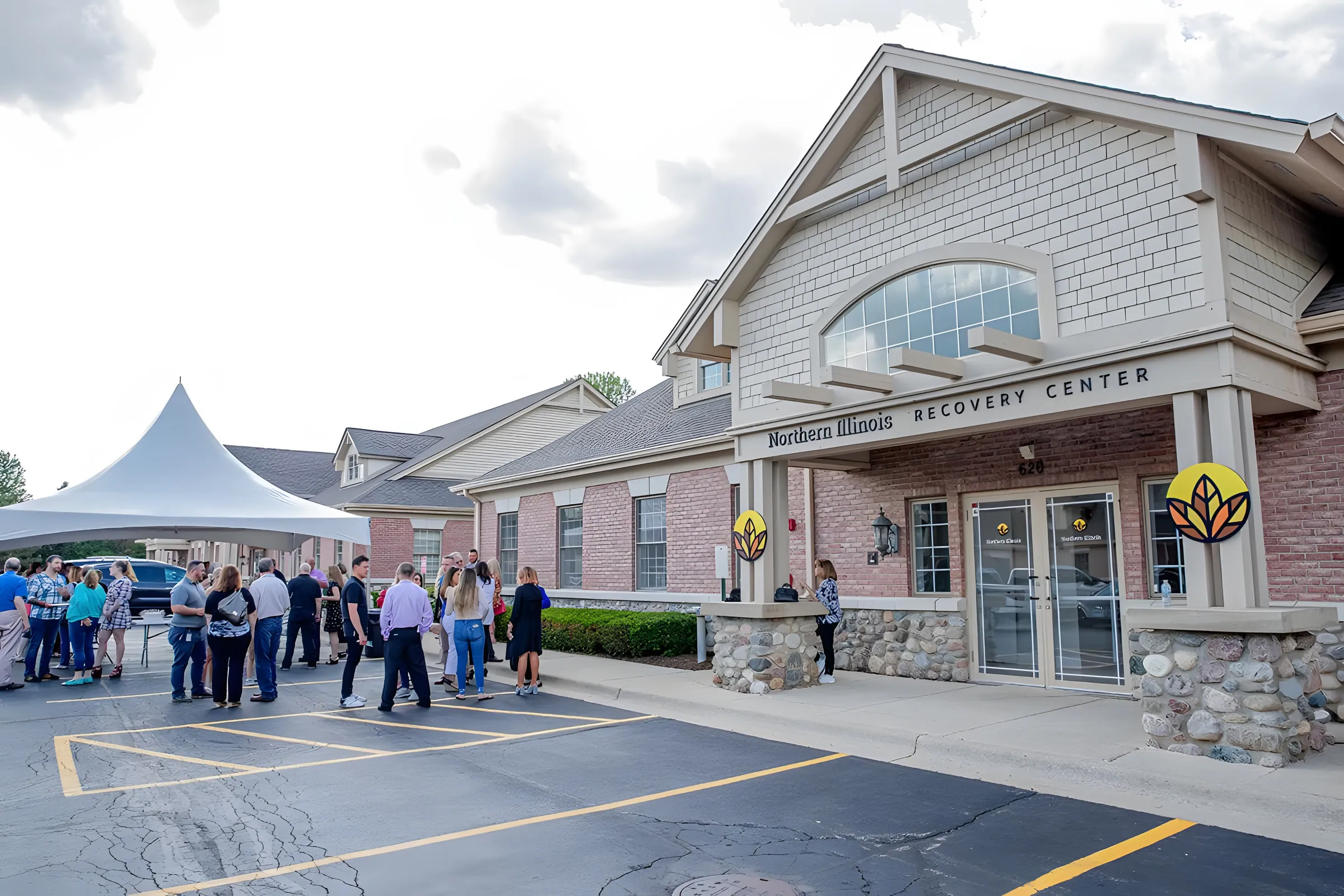
Drug addiction can lead to a plethora of short and long-term effects that impact nearly every aspect of an individual’s life. These effects vary based on the type of drug, the amount and frequency of use, and the person’s overall health and background. Understanding these effects is crucial for recognizing the seriousness of substance use disorders and the importance of seeking help.
In the short term, drug addiction can cause immediate changes in physical health, cognition, and behavior, including:
The long-term effects of drug addiction can be more severe, affecting physical and mental health, social relationships, and overall quality of life:
There’s no single cause; it’s typically a combination of factors including genetics, environment, and personal history of trauma or other mental health issues.
While the terms are often used interchangeably, addiction is characterized by a physical or psychological dependency on substances, leading to compulsive drug seeking and use despite harmful consequences. Abuse can exist without addiction, but frequent abuse can lead to addiction.
Yes, there are various effective treatments available, including medication, counseling, behavioral therapies, and support groups. Treatment plans should be individualized, addressing not only the substance use disorder but also any underlying mental health conditions.
Approach them with empathy and concern, avoiding judgment or confrontation. Encourage them to speak about their issues and offer to help them find professional support or treatment options.
Yes, treatment strategies may vary depending on the substance involved and the individual’s needs. For instance, opioid abuse might be treated with specific medications like methadone or buprenorphine, whereas other forms of drug abuse might focus more on psychotherapy and support groups.
Drug abuse can exacerbate existing mental health disorders or lead to the development of new ones, such as depression, anxiety, or psychosis. The relationship between drug abuse and mental health is complex and bidirectional.
Prevention is crucial and involves educating individuals, especially young people, about the risks of drug use, promoting healthy lifestyles, and developing skills to resist peer pressure. Community-based efforts and policies that limit access to drugs are also important.
Northern Illinois Recovery Center strives to make treatment accessible and affordable. To do so, our northern IL rehab center works with a range of insurance companies.
Verify Your InsuranceIf you or a loved one are dealing with drug addiction, NIRC can be a resource for you. We have some of the top drug addiction specialists and therapists in the country. Give us a call if you have any questions or would like to discuss or programs.