





Admissions
Crystal Lake, Illinois

Have you ever felt a sudden dip in your mood as the days get shorter and the weather turns colder? For many people, this shift in seasons can trigger a condition known as seasonal depression, or Seasonal Affective Disorder (SAD). Since the onset of COVID-19, we've seen a shift in the way mental health services are delivered, with telehealth emerging as a critical solution. Telehealth allows individuals to receive professional care from the comfort of their own homes, making it easier to address mental health challenges like seasonal depression while maintaining safety and convenience.
In this blog, we’ll explore how seasonal depression impacts individuals, particularly college students, how telehealth for mental health is providing an effective treatment option, and offer tips for managing the winter blues. Whether you're looking for ways to cope or seeking professional help, this post will give you the information you need to navigate the colder months with a brighter outlook.

Seasonal Affective Disorder (SAD) is a type of depression triggered by the changing seasons, particularly the reduced sunlight in fall and winter. Common symptoms include low energy, difficulty concentrating, changes in appetite, disrupted sleep patterns, and persistent feelings of sadness or hopelessness. These symptoms often fade as the seasons change, but for those affected by SAD, they can significantly impact daily life.
Seasonal depression is more widespread than often realized, affecting many during the colder months. Studies suggest that around 5% of the U.S. population suffers from SAD, with women being more likely to experience it than men. The condition tends to be more prevalent in northern latitudes, where the winter days are shorter, leading to less exposure to sunlight.
While anyone can experience seasonal depression, college students are particularly vulnerable. Transitioning to a new environment, dealing with academic stress, and navigating social pressures can already create emotional strain. Add to that the lack of sunlight during the colder months, and it’s easy to see why many college students struggle with feelings of sadness, isolation, and anxiety during the fall and winter semesters.

It’s important to differentiate between seasonal depression and major depressive disorder (MDD). While both involve feelings of sadness, hopelessness, and a lack of interest in activities, seasonal depression follows a specific pattern tied to the changing seasons. In contrast, MDD can occur at any time of the year and may not follow a seasonal pattern. Seasonal depression tends to lift as the days get longer and sunnier, whereas MDD can persist throughout the year and may require more intensive treatment.
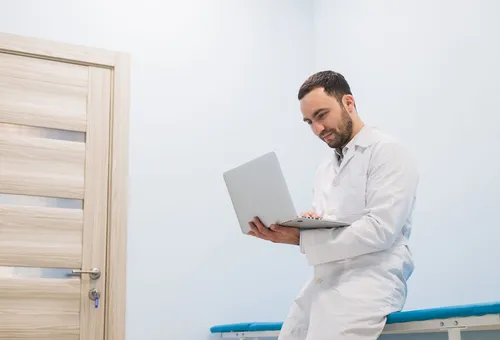
Identifying the symptoms of SAD early on is essential to getting timely and effective support. Some common symptoms to watch for include:
If you notice these signs in yourself or someone else, it’s important to seek professional help as soon as possible.

While seasonal depression can feel overwhelming, there are several strategies you can implement to help manage symptoms and improve your mood during the colder months.
One of the most effective treatments for seasonal depression is light therapy, which mimics natural sunlight. Using a lightbox for about 20-30 minutes in the morning can help regulate your circadian rhythm and boost your mood. This is especially helpful for people living in areas where sunlight is scarce during winter.
Regular exercise is a natural and effective way to boost mood and improve overall mental well-being. Exercise helps release endorphins, the brain's natural "feel-good" chemicals, which can significantly improve your mood. Even a short walk outside in the daylight can help reduce feelings of sadness and improve your overall well-being.
What you eat can significantly impact your mental health and emotional state. Eating nutrient-rich foods, including fruits, vegetables, whole grains, and lean proteins, can help boost your mood and energy levels. Be mindful of overindulging in comfort foods, which may only provide temporary relief and could worsen symptoms in the long run.
Social isolation can exacerbate the feelings of sadness associated with seasonal depression. Even though it might feel tempting to retreat into your own space, try to stay connected. Family support is crucial for optimal recovery. Virtual hangouts, phone calls, or socially-distanced meetups can help maintain a sense of connection during the winter months.
Mindfulness and meditation practices help reduce anxiety and promote emotional balance. Regular practice can improve emotional regulation and reduce feelings of stress.
A cozy and inviting living space can uplift your mood and combat the gloom of winter. Add some extra blankets, warm lighting, or holiday decorations to brighten up your environment. A cozy, pleasant space can help mitigate the gloominess that often accompanies winter.
When it comes to treating seasonal depression, telehealth for mental health offers several advantages over in-person care, especially for college students and others who may have limited access to local mental health resources.

Telehealth provides an accessible way for individuals to receive mental health support from home. For college students, this can be particularly helpful, as it eliminates the need to travel to an office or take time off from school to attend in-person therapy sessions. Whether you’re at home or in your dorm room, a telehealth session can easily fit into your schedule.
With telehealth, you can access therapy from virtually anywhere, making it easier to keep up with appointments. If you’re juggling a busy college schedule or dealing with a lack of transportation, virtual care provides flexibility and convenience.
Telehealth can also feel more private for some individuals. For college students, the prospect of seeing a therapist in person on campus can feel intimidating or stigmatized. Virtual sessions provide a safe space to discuss your concerns without worrying about being seen entering a mental health office.
Research has shown that telehealth can be just as effective as in-person therapy for treating depression and other mental health conditions. Licensed professionals can provide cognitive-behavioral therapy (CBT), talk therapy, and other evidence-based treatments via video, phone calls, or even text-based sessions.
Before your telehealth session, it’s essential to prepare to ensure the most productive experience possible.
Telehealth for mental health has been a game-changer for college students battling seasonal depression. With many students attending school away from home and experiencing the pressures of academics, social lives, and personal challenges, it can be difficult to find time to visit a therapist in person. Telehealth removes these barriers, offering easy access to care no matter where the student is located.
Through telehealth, students can access therapy sessions, mental health check-ins, and support from the comfort of their dorm room, apartment, or even their family home. Many colleges have partnered with telehealth platforms to provide students with free or discounted access to licensed mental health professionals, making it easier than ever for students to get the help they need.

If you or someone you know is struggling with Seasonal Affective Disorder (SAD), know that you’re not alone. Seasonal depression can feel isolating, but there are steps you can take to improve your mental health and well-being. At Northern Illinois Recovery Center (NIRC), we are committed to helping individuals access the support they need to overcome mental health challenges, including SAD.
Whether through telehealth, in-person therapy, support groups, or connecting with resources in your community, it's important to seek help and not face these challenges alone. Reach out to us today, and take the first step toward brighter days ahead.
Feel free to contact us if you require any further information about our services
Treatment · Aug 19, 2026
Adolescents struggling with substance use disorders or co-occurring mental health…

Mental Health · Aug 6, 2026
Summer is often seen as a time of joy, energy,…

Teen Treatment · Jul 16, 2026
As the school year begins, many teens experience a mix…

Mental Health · Jul 2, 2026
The barriers to obtaining comprehensive mental health treatment are more…
Mental Health · Jun 22, 2026
Post-traumatic stress disorder (PTSD) is a mental health condition that…

Mental Health · Jun 15, 2026
Veterans carry the weight of their service long after they…

Mental Health · Jun 15, 2026
Depression is one of the most common mental health conditions…

Mental Health · Jun 3, 2026
Mental and physical health are deeply connected. While many people…

Mental Health · May 22, 2026
Mental health and behavioral health are two terms that are…

Treatment · Apr 17, 2026
Many people ask, " Can you work while in rehab?”…