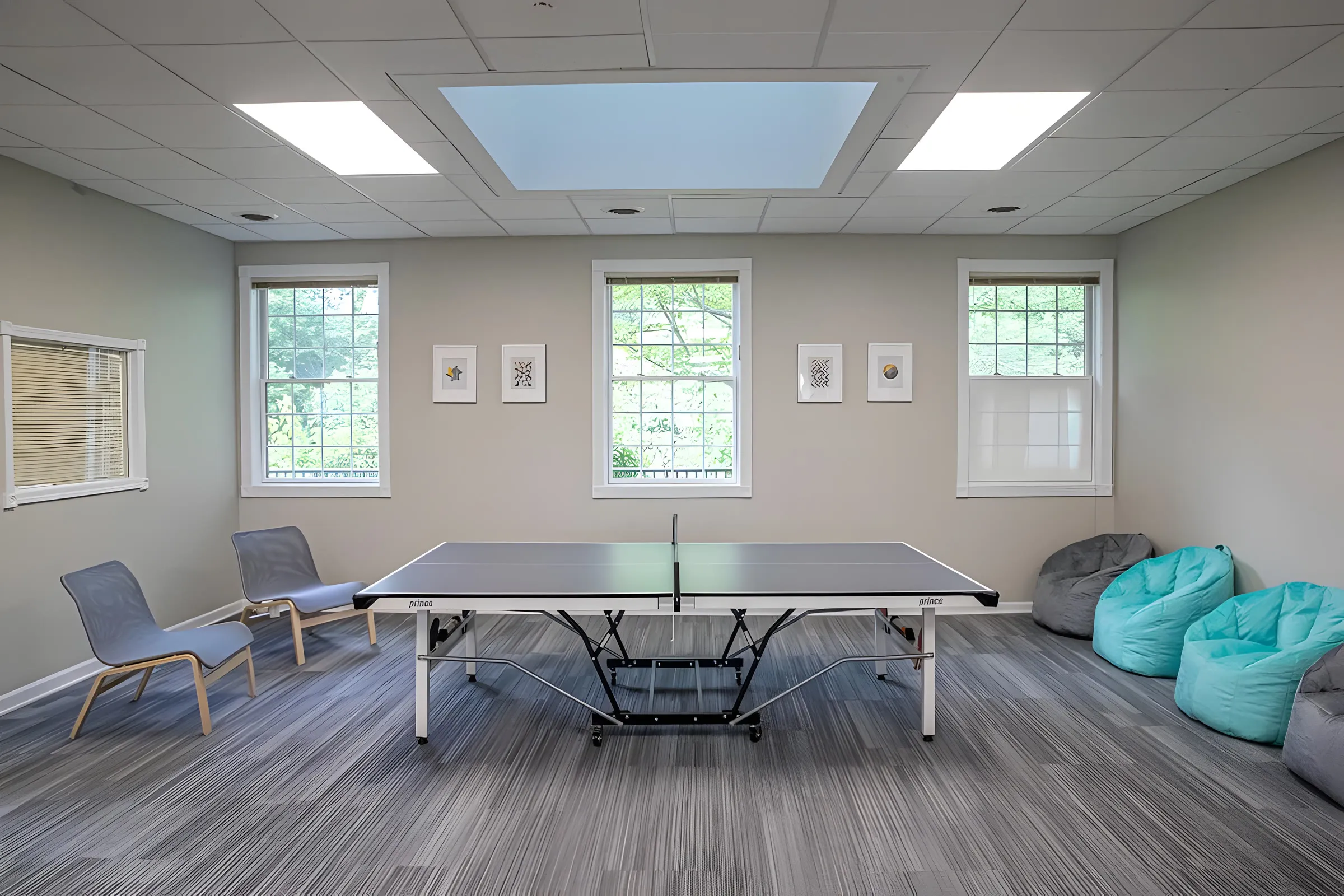





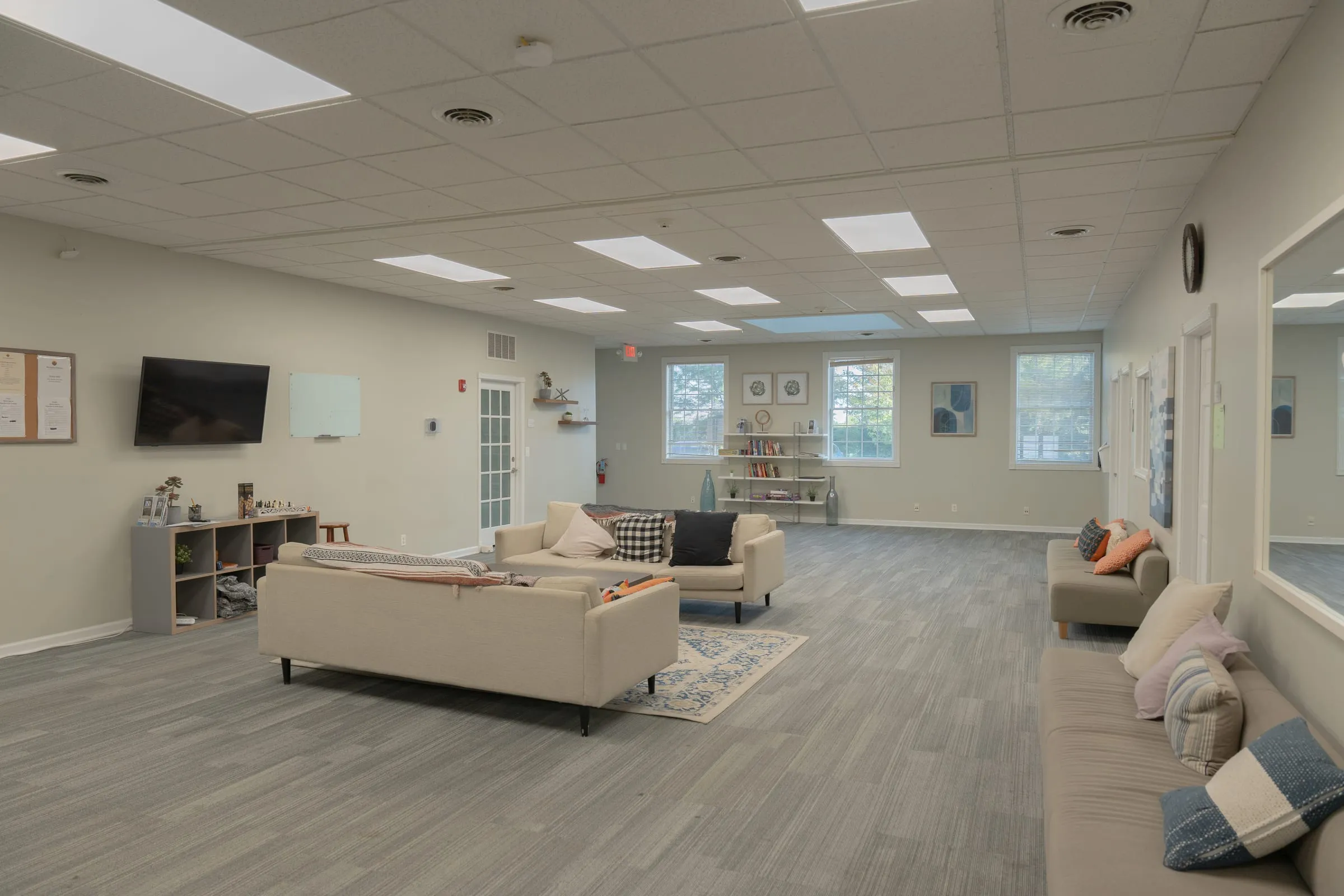
Facility tour
Crystal Lake, Illinois

Obsessive-compulsive disorder (OCD) is more than just a set of habits or quirks—it can deeply impact a teen’s daily life, education, relationships, and self-esteem. Research shows that OCD affects about 1–3% of children and adolescents, with many beginning to experience symptoms before the age of 18. Left untreated, OCD can contribute to worsening anxiety disorders, depression, and even substance use as teens struggle to cope with overwhelming intrusive thoughts and compulsions.
At Northern Illinois Recovery in Crystal Lake, Illinois, we recognize how critical early intervention and specialized care are for teenagers navigating OCD and co-occurring conditions. Through our teen intensive outpatient program (IOP), we provide evidence-based mental health treatment that gives teens the tools they need to manage symptoms, regain control, and build a healthier future.
Obsessive-compulsive disorder is a pattern of unwanted, distressing thoughts called obsessions and repetitive behaviors or mental acts called compulsions. These compulsions are done to reduce the anxiety caused by obsessions.
OCD is not the same as liking things neat or being organized. It causes real distress, takes up significant time, and interferes with daily activities like school, friendships, and family life. Key differences between OCD and typical teenage behavior:
Time consumption
Distress level
Interference
Feel free to contact us if you require any further information about our services
Teenagers with OCD experience intrusive thoughts that feel scary or wrong. These obsessions create anxiety that teens try to reduce through repetitive actions or mental rituals. Obsessions teens commonly experience include:
Harm thoughts
Contamination fears
Symmetry needs
Religious worries
Checking doubts
Compulsions you might notice:
OCD in teen girls often includes body image obsessions, relationship fears, and academic perfectionism driven by anxiety rather than ambition. Some girls hide their symptoms behind high achievement, making the condition harder to spot.
A mental health professional diagnoses OCD through a clinical interview with the teen and their family. Online tests can help identify possible symptoms, but they cannot provide an official diagnosis.
The evaluation looks at specific symptom patterns, how much time obsessions and compulsions take up, and how much they interfere with daily life. Mental health professionals use the DSM-5 criteria, which require the presence of obsessions, compulsions, or both that are time-consuming or cause significant distress. Conditions that can look similar to OCD:
Generalized anxiety
ADHD
Autism spectrum disorders
Getting the right diagnosis ensures teens receive the most effective evidence-based treatment for OCD.
The main treatment for teen OCD is Cognitive Behavioral Therapy with Exposure and Response Prevention, also called ERP. This approach has the strongest research support for treating OCD in adolescents. Treatment options include:
Individual therapy
Group therapy
Medication
ERP works by gradually exposing teens to their feared thoughts or situations while they resist performing compulsions. This breaks the cycle that keeps OCD symptoms going.
ERP therapy follows a structured process that helps teens learn to manage anxiety without relying on rituals or compulsions.
The therapist and teen create a “fear ladder” that lists anxiety-provoking situations from least to most distressing. Treatment starts with lower-level fears and gradually works up to more challenging ones.
During exposures, teens face their fears in a safe, planned way while resisting the urge to perform compulsions. At first, anxiety increases, but it naturally decreases over time without rituals. This process is called habituation. The four steps of ERP:
Step 1
Step 2
Step 3
Step 4
SSRIs are medications that can reduce OCD symptoms in teenagers. Unlike depression treatment, OCD often requires higher doses and longer treatment periods to see full benefits. Common SSRIs used for adolescent OCD:
Fluoxetine (Prozac)
Sertraline (Zoloft)
Fluvoxamine (Luvox)
These medications can decrease the intensity of obsessions and make it easier for teens to participate in ERP therapy. However, medication alone doesn’t teach the coping skills needed for long-term recovery. Combining ERP with medication often produces better results than either treatment alone, especially for moderate to severe cases.
Treatment intensity depends on whether OCD symptoms interfere with a teen’s daily functioning. Treatment levels include:

Outpatient therapy
Intensive outpatient programs
Residential treatment
Most teens start with outpatient treatment for ocd in teenagers and move to higher levels of care only if needed.
Family involvement plays a crucial role in successful OCD treatment. Parents can help by learning not to participate in their teen’s rituals or provide excessive reassurance, which can strengthen OCD symptoms over time.
Schools can create accommodations that support ERP goals while maintaining appropriate academic expectations. Teachers benefit from understanding that OCD behaviors are driven by anxiety, not defiance.
Helpful daily routines:
Consistent sleep schedule and regular exercise
Balanced meals and limited caffeine intake
Social connections and activities unrelated to OCD
No specific foods cause OCD, but caffeine and high sugar intake may increase anxiety in some teens, potentially making symptoms feel more intense.
Most ERP treatment courses involve 12-20 sessions, depending on symptom severity, with some teens benefiting from occasional booster sessions to maintain progress.
Most insurance plans cover mental health treatment, including CBT with ERP for OCD, though coverage details vary by plan and provider network.
Yes, some adolescents may use substances to self-medicate OCD-related anxiety, which requires integrated treatment addressing both conditions simultaneously.
If your teen is struggling with OCD, you don’t have to face this challenge alone. At Northern Illinois Recovery in Crystal Lake, we understand how difficult it can be to watch your child battle overwhelming thoughts and behaviors. That’s why we’ve developed a specialized teen intensive outpatient program (IOP) that provides the structure, guidance, and therapeutic tools teens need to take control of their mental health.
Our compassionate clinicians employ evidence-based approaches tailored to adolescents, helping them develop coping strategies, alleviate symptoms, and regain confidence in themselves. We also recognize the importance of family support, and we work alongside parents and caregivers to strengthen communication and healing at home.
Every teen deserves the chance to feel hopeful, understood, and empowered. Reach out to Northern Illinois Recovery today to learn how our team can help your family take the next step toward lasting recovery and wellness.