

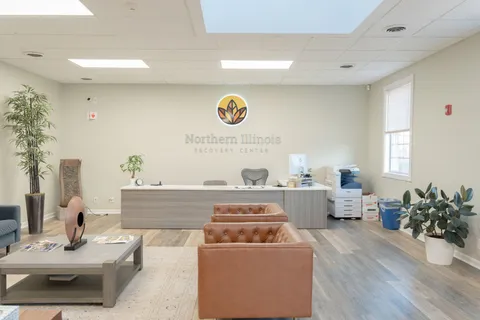




Dual diagnosis care
Crystal Lake, Illinois

More than 10% of people in the United States deal with a substance abuse disorder or co-occurring disorder each year. Addiction and substance abuse disorders can affect anyone, regardless of age, gender, background, or education. The cause of addiction is unknown, which means that anyone is at risk of developing a substance abuse disorder when using drugs or alcohol.
Because addiction is a disease, substance abuse treatment professionals use several approaches to help individuals heal and recover. Among these approaches are evidence-based and holistic treatments. Each treatment is utilized during substance abuse treatment and is often used together. Here at our addiction treatment center in Illinois, our experienced and compassionate team of counselors, therapists, and medical professionals routinely use addiction counseling to improve recovery outcomes. However, many may wonder what addiction counseling is?
Alcohol and drug addiction impact each person differently. Although there are similarities and overlap in withdrawal symptoms, triggers, underlying causes for use, and each individual's own physiology, there is no single, one-size-fits-all approach to treatment. Thus, working alongside clients, we develop a plan of treatment to meet the individual's unique needs and goals. Once treatment is complete, we offer extensive addiction aftercare to help clients not just find sobriety but also make it lasting.

Substance abuse disorders and addictions are chronic conditions that cause you to use drugs and alcohol compulsively. During addiction, you can continue to seek out and abuse drugs and alcohol even if you want to quit or experience negative consequences. Addiction also changes your brain chemistry, causing your brain to become dependent on drugs and alcohol to release neurotransmitters.
When your brain releases a rush of neurotransmitters, you experience intense feelings of euphoria. When you don’t use it, you can deal with overwhelming cravings and withdrawal symptoms. Addiction can also change your personality, mood, and priorities. Seeking help from a professional setting, such as an alcohol rehab center Illinois, can provide the necessary support and resources to overcome addiction and its impacts on your life and health.

Signs and symptoms of addiction include:
We use addiction counseling techniques during the treatment to learn how to cope with symptoms and fully recover from addiction.
So, what is addiction counseling? Addiction counseling is an evidence-based treatment that improves your ability to identify and change negative thoughts, feelings, and behaviors. Cognitive and dialectic behavioral therapy is very effective during substance abuse treatment. Sharing your emotions and feelings in a supportive, therapeutic environment can improve your ability to communicate and cope with stressors.
Addiction counseling also helps you set goals and plans, such as employment or education goals. Another important part of addiction treatment is developing useful and healthy coping strategies. Stressors like negative emotions or significant life changes can put you at risk of relapsing. Acquiring tools and skills to handle stressors can help you maintain sobriety and abstinence.
Inpatient and addiction aftercare programs that Crystal Lake Il offers provide addiction counseling techniques. Addiction counseling is utilized alongside other treatments, such as medication management and holistic therapies, and has few side effects.
If you are wondering what addiction counseling is and how it can help me recover, the short answer is that it helps you learn important skills and strategies to avoid relapsing and maintain sobriety. Northern Illinois Recovery Center is a leading substance abuse treatment to helping you overcome addiction. Call us today at 855.786.1978 to learn more about our treatment programs.
Feel free to contact us if you require any further information about our services
Treatment · Aug 19, 2026
Adolescents struggling with substance use disorders or co-occurring mental health…

Mental Health · Aug 6, 2026
Summer is often seen as a time of joy, energy,…

Teen Treatment · Jul 16, 2026
As the school year begins, many teens experience a mix…
Mental Health · Jul 2, 2026
The barriers to obtaining comprehensive mental health treatment are more…

Mental Health · Jun 22, 2026
Post-traumatic stress disorder (PTSD) is a mental health condition that…

Mental Health · Jun 15, 2026
Veterans carry the weight of their service long after they…

Mental Health · Jun 15, 2026
Depression is one of the most common mental health conditions…

Mental Health · Jun 3, 2026
Mental and physical health are deeply connected. While many people…

Mental Health · May 22, 2026
Mental health and behavioral health are two terms that are…

Treatment · Apr 17, 2026
Many people ask, " Can you work while in rehab?”…