






Teen outpatient program
Crystal Lake, Illinois

Social media has transformed the way teenagers connect, communicate, and view the world. Platforms like Instagram, TikTok, Snapchat, and YouTube are central to teen culture today, shaping identity and social belonging. But how does social media affect teens? What can parents do to help their children navigate it wisely?
This guide explores the background, potential benefits, and harms of social media use among teens, how content impacts mental well-being, and practical strategies for fostering balanced habits. At Northern Illinois Recovery Center, we offer teen mental health treatment in Illinois.
Social media use among teens is nearly universal. According to Pew Research Center, over 95% of teens have access to a smartphone, and approximately 60% say they use social media multiple times daily. For many, scrolling feeds is as routine as brushing teeth.
Teenage years are a critical period of identity formation, social comparison, and emotional learning. Teens naturally seek validation and belonging. Social media amplifies these needs by providing instant access to peer approval through likes, comments, shares, and followers. While this can strengthen social bonds, it can also create intense pressure to present a “perfect” life online.
It is essential to recognize that social media is neither inherently good nor bad. Its effects depend on how, why, and how much teens use it. Let’s break down the potential benefits first.

Despite the risks, social media offers meaningful advantages for adolescents when used mindfully.
Social media allows teens to maintain friendships, especially during times of physical distance. During the COVID-19 pandemic, for example, platforms like TikTok, Instagram, and Snapchat became critical for teens to stay connected with peers, combating loneliness. Even outside of pandemics, teens use group chats, memes, and daily updates to feel part of their social circles, even when busy with academics or extracurriculars.
Many teens use social media to express themselves creatively through photos, videos, and written posts. They explore their identities, interests, and beliefs, often finding niche communities that align with their values. For LGBTQ+ youth, for example, online communities can provide crucial support and understanding when it may not exist in their offline lives. Likewise, teens passionate about anime, gaming, makeup artistry, or mental health advocacy can find others who share and affirm their interests.
Social media exposes teens to global news, health education, mental health awareness, and personal development content. For example, mental health influencers and therapists on platforms like Instagram and TikTok often share coping tools, mindfulness techniques, and normalizing messages about anxiety and depression. This exposure can empower teens to seek help or practice self-care strategies they might not learn elsewhere.

Teenagers passionate about social justice, environmental causes, or community service can use social media as a tool to organize, advocate, and amplify their voices. The rise of youth activists in recent years demonstrates how social media can empower leadership and civic engagement. It helps teens understand their role in global conversations, teaching them skills in public speaking, media literacy, and collaborative action.
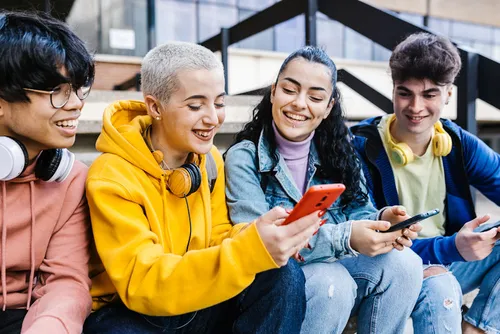

While the benefits are real, the harms of social media use by teens can be severe, especially when unmonitored or excessive.
Studies have shown a correlation between heavy social media use and anxiety disorders and depression in teens. Constant comparison to curated online personas can damage self-esteem, leading to feelings of inadequacy, loneliness, or worthlessness. Teens who already struggle with mental health conditions may find that social media exacerbates symptoms.
Social media feeds often highlight others’ fun activities, travels, and milestones. Teens may experience FOMO, feeling excluded or left out, which can lead to sadness, irritability, and social anxiety. This effect is heightened when teens see friends gathering without them.
Bullying no longer ends when school does. Cyberbullying includes hurtful messages, exclusion, rumor-spreading, and threats delivered online, often anonymously. According to a Pew Research Center survey, nearly 59% of teens have experienced some form of cyberbullying, which can lead to depression, self-harm, and suicidal thoughts in severe cases.
Late-night scrolling and blue light exposure negatively affect sleep quality and duration. Poor sleep contributes to emotional dysregulation, cognitive impairment, and worsening mental health symptoms. Many teens report staying up until 1 or 2 AM engaging with content, then feeling exhausted the following day, which affects academic performance and mood stability.
Social media is rife with unrealistic beauty standards and filtered images that distort reality. Teens may compare their appearance to influencers or peers, leading to body dissatisfaction and, in some cases, disordered eating behaviors in attempts to “measure up.” Even fitness and wellness influencers can unintentionally promote restrictive or obsessive habits under the guise of health.
Not all content is harmful, but certain types can negatively influence teen mental health.
Social media algorithms are designed to keep users engaged. If a teen interacts with harmful or triggering content, the algorithm may amplify similar posts, creating a negative spiral. Additionally, “doomscrolling,” or compulsively consuming distressing news, can increase anxiety, hopelessness, and fear about the world.

While occasional use may not cause harm, excessive social media use interferes with healthy development.


Parents play a crucial role in helping teens navigate social media use safely and responsibly.
Teens observe parental behavior closely. If you are frequently glued to your phone, they will see this as normal. Model healthy screen boundaries by setting device-free times during meals, family activities, and before bed.
Create a safe space for honest conversations about social media. Ask your teen about what they see online, who they follow, and how it makes them feel. Avoid judgment to keep lines of communication open. Normalize discussions around body image, peer pressure, and self-esteem.
Rather than imposing strict rules, co-create boundaries. Discuss time limits, appropriate content, and apps that align with your family’s values. Involve them in decisions to foster autonomy and trust.
Equip your teen with skills to critically evaluate what they see online. Discuss the curated nature of posts, the use of filters, and the motivations behind influencer content. Encourage them to follow accounts that promote positivity, education, and inspiration.
If you notice significant changes in mood, sleep, appetite, social withdrawal, or academic performance, it may be time to assess social media’s role. Professional support can help address underlying issues.
At Northern Illinois Recovery Center, we understand the complex challenges teens face today, from social pressures to mental health struggles exacerbated by social media. Our compassionate, evidence-based teen and adolescent treatment programs are tailored to address depression, anxiety, trauma, and behavioral health needs.
We provide structured therapy, life skills development, and family support to empower teens toward resilience and healthy coping strategies in a digital world. Our adolescent treatment tracks are led by experienced clinicians who prioritize safety, growth, and authentic connection.
If your teen is struggling with mental health challenges or behavioral issues, our social media rehab for teens is here to help.

Your teen deserves a life of confidence, clarity, and balanced connection. Contact Northern Illinois Recovery Center today to learn more about our adolescent programs and how we can support your family’s journey toward healing and growth.
Feel free to contact us if you require any further information about our services
Treatment · Aug 19, 2026
Adolescents struggling with substance use disorders or co-occurring mental health…

Mental Health · Aug 6, 2026
Summer is often seen as a time of joy, energy,…

Teen Treatment · Jul 16, 2026
As the school year begins, many teens experience a mix…

Mental Health · Jul 2, 2026
The barriers to obtaining comprehensive mental health treatment are more…

Mental Health · Jun 22, 2026
Post-traumatic stress disorder (PTSD) is a mental health condition that…

Mental Health · Jun 15, 2026
Veterans carry the weight of their service long after they…

Mental Health · Jun 15, 2026
Depression is one of the most common mental health conditions…

Mental Health · Jun 3, 2026
Mental and physical health are deeply connected. While many people…

Mental Health · May 22, 2026
Mental health and behavioral health are two terms that are…

Treatment · Apr 17, 2026
Many people ask, " Can you work while in rehab?”…