




Alcohol treatment
Crystal Lake, Illinois

When fame, pressure, and temptation collide, the results can be heartbreakingly fatal. For fans of Liam Payne, the former One Direction star was more than just a pop sensation. He was a symbol of resilience, navigating the challenges of fame with a talent that seemed unstoppable. But behind the glitz and Grammy nominations lay a darker battle, one that tragically ended in the shadows of designer drugs. These substances, often marketed as cutting-edge highs, are anything but glamorous. They carry devastating risks, leaving even the brightest stars vulnerable to their deadly pull.
Designer drugs are infamous for their ability to skirt laws while delivering unpredictable, often lethal effects. For someone like Liam, they represented a dangerous mix of accessibility and allure, highlighting a growing crisis among young adults searching for escape in an increasingly demanding world. His story isn’t just a cautionary tale; it’s a gut-wrenching reminder of the human cost behind these so-called "party drugs." As we reflect on his tragic end, it’s time to shed light on the shadowy world of designer drugs and ask ourselves: how can we protect those we love from a similar fate?

Pink cocaine. Sounds cute, doesn’t it? Think again. Pink cocaine is a dangerous synthetic drug that’s been gaining popularity, especially on social media. Despite its name, it’s not even cocaine. It’s a mix of various chemicals, often including substances like 4-fluoroamphetamine or other synthetic stimulants. These chemicals are meant to mimic the effects of cocaine but with even more unpredictable and dangerous consequences.
The drug gets its “pink” color from the way it's packaged or cut, sometimes with bright dyes, which makes it seem more appealing and even trendy, especially in certain party scenes.
Pink cocaine might sound like an exotic thrill, but it’s full of hidden dangers that could seriously mess with your health and future. Below is a closer look at why you should steer clear:

The tragic death of Liam Payne has left many people heartbroken, and it’s also shone a light on the dangers of mixing drugs in a way that can be deadly. Reports suggest that a dangerous drug cocktail played a role in his passing, bringing to attention just how risky it is to mix certain substances.
This "cocktail" usually involves a combination of different drugs, sometimes prescription meds mixed with street drugs, alcohol, or even other legal substances. The problem with these mixtures is that the effects can be unpredictable and deadly. While each drug on its own can be dangerous, combining them can intensify the effects to the point where the body can no longer cope, leading to overdose, organ failure, or worse.
In Liam's case, the combination of these drugs could have caused a fatal reaction. Drugs like opioids, benzodiazepines, and alcohol can all suppress the body’s vital functions, including breathing, heart rate, and brain activity. When taken together, they can amplify each other's effects in a way that’s impossible to control.
This situation serves as a powerful reminder of how important it is to be careful with what you put into your body, especially when mixing substances. It also highlights the need for better awareness of drug abuse and how even seemingly "harmless" combinations can be deadly. No one is immune to the dangers of drug misuse, and it’s crucial to make smart, informed decisions when it comes to your health and well-being.
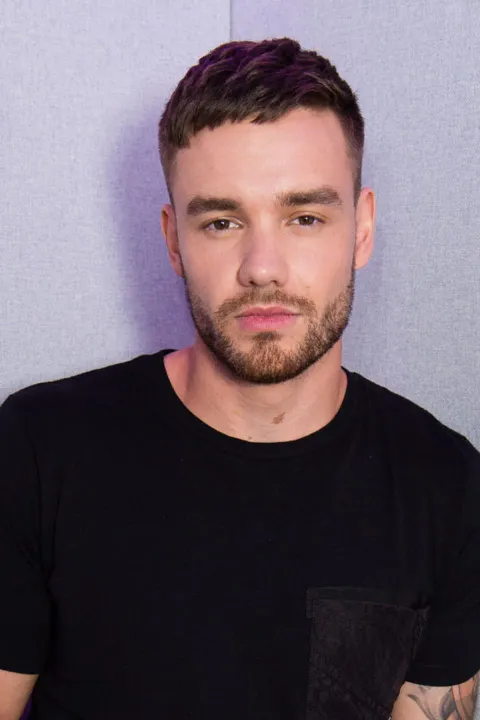
Spotting designer drug abuse can be tricky because these synthetic substances often go unnoticed until it’s too late. But the signs are there if you have an idea of what to look for:
Recovery from drug or alcohol addiction is completely different for every person affected. What works best for one person may be detrimental to another. Here’s a breakdown of some of the best treatments for drug addiction:
Inpatient or outpatient rehab programs are great ways to get structured, intensive help.
MAT is a treatment method that uses medications to help reduce cravings and withdrawal symptoms, making it easier to focus on therapy and building new habits.
Support groups like Narcotics Anonymous (NA) or Alcoholics Anonymous (AA) provide a safe, non-judgmental space where you can talk with others in recovery.
Practices like yoga, meditation, acupuncture, and mindfulness can help lower stress, improve your mood, and make you feel more in control.
Aftercare programs are designed to help you transition back into everyday life through outpatient therapy, support groups, or even sober living houses.
Therapy is an important part of recovery. Whether it’s Cognitive Behavioral Therapy (CBT) or Contingency Management, therapy helps you understand the root causes of your addiction and teaches you healthier ways to deal with stress, triggers, and cravings.
Personalized Plans: There’s no single path to recovery, and the most effective treatment plans are customized to meet your specific needs, challenges, and goals.
Addiction can feel like a trap that gets tighter the more you struggle. If you’ve ever found yourself caught in that cycle, you know how overwhelming it can be to try and break free. NIRC (National Institute for Recovery and Care) is one of the many organizations dedicated to saving lives from the devastating effects of addiction.
We provide a variety of therapy options, from individual counseling to group sessions. These therapies help you uncover the root causes of your addiction, challenge harmful behaviors, and develop the skills to cope with life without turning to drugs or alcohol. At the end of the day, addiction doesn’t have to define who you are, and with the right help, you can take control and create a future filled with hope, joy, and possibility. Whether you’re just starting in recovery or need that extra push to stay on track it’s time to stop surviving and start thriving. Contact us today to start living the healthy and fulfilling life you’ve always dreamed of.

Feel free to contact us if you require any further information about our services
Treatment · Aug 19, 2026
Adolescents struggling with substance use disorders or co-occurring mental health…

Mental Health · Aug 6, 2026
Summer is often seen as a time of joy, energy,…

Teen Treatment · Jul 16, 2026
As the school year begins, many teens experience a mix…
Mental Health · Jul 2, 2026
The barriers to obtaining comprehensive mental health treatment are more…

Mental Health · Jun 22, 2026
Post-traumatic stress disorder (PTSD) is a mental health condition that…

Mental Health · Jun 15, 2026
Veterans carry the weight of their service long after they…

Mental Health · Jun 15, 2026
Depression is one of the most common mental health conditions…

Mental Health · Jun 3, 2026
Mental and physical health are deeply connected. While many people…

Mental Health · May 22, 2026
Mental health and behavioral health are two terms that are…

Treatment · Apr 17, 2026
Many people ask, " Can you work while in rehab?”…