






Contact us
Crystal Lake, Illinois

These days the link between what we eat and how we feel has become an increasingly popular topic of discussion. The concept of food being able to influence mood, stress, anxiety, and even cognitive function might seem surprising to some, but research is revealing how closely linked our diets are to our mental states. This emerging field, food psychology, explores how the nutrients we consume interact with our brain and body to shape our emotional well-being.
Food and mental health relationships go beyond the occasional sugar rush or caffeine jolt. It stretches to the long-term effects of what we eat on the complex systems in our brains. We can all think about someone we knew (maybe even ourselves), who was going through a bad period in their life and struggling with their mental health, and their diet was not in any way healthy.
This story is not all about avoiding certain foods or strictly controlling your diet to the point you hate food altogether. The key lies in understanding how food choices influence our gut microbiome, hormone levels, and neurotransmitter production. In this blog, we’ll dive into the fascinating world of food psychology, exploring how what you eat affects your mental well-being, and offering practical tips for nurturing both body and mind through mindful food choices.

When most people think about food’s effect on their body, they only consider the physical aspects: what will make them fatter, what will help them lose weight, what will boost their efforts in the gym, or what will prevent diseases from attacking them. Studies undertaken recently are showing a connection between our diets and their effects on our mental health. To light up, certain nutrients can influence your brain function, emotional regulation, and even mental health disorders like depression and anxiety.
The body is one big mass of continual chemical reactions. What you eat, as it is broken down in your body, impacts your mental health through its effect on your brain’s chemistry. Your brain relies on neurotransmitters like serotonin and dopamine to regulate your mood, stress levels, and feelings of happiness. Many of these neurotransmitters are synthesized from the nutrients you get from your food, such as amino acids, vitamins, and minerals. When your diet lacks essential nutrients, you may feel irritability, fatigue, or even more serious mental health conditions.
Antioxidants are your brain’s defense against oxidative stress, where harmful molecules called free radicals pile up and damage cells. This oxidative damage is linked to aging and a smorgasbord of neurological conditions, including Alzheimer's disease, Parkinson's disease, and other cognitive decline disorders. Your brain is one of the most metabolically active organs in your body, making it particularly vulnerable to oxidative stress.
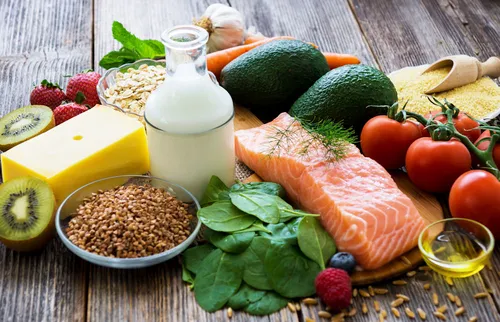
Here is how certain foods can improve your mental health and boost your mood.


Processed foods – those high in refined sugars, unhealthy fats, preservatives, and artificial additives – are typically low in essential nutrients that our brain needs to function optimally. Consistently consuming a diet rich in processed foods can lead to imbalances in brain chemistry, ultimately contributing to mental health issues such as anxiety, depression, and cognitive decline.
Your gut microbiome plays a key role in regulating mood and cognitive function and is sensitive to the types of food you eat. Processed foods, which are often high in sugar and low in fiber, can promote the growth of harmful bacteria in the gut, leading to an imbalance known as dysbiosis. This imbalance can increase inflammation in the brain, which has been linked to depression, anxiety, and other mood disorders.

Caffeine is one of the most widely consumed psychoactive substances in the world, with billions of people relying on it each day to stay alert and energized. Moderate caffeine intake can improve focus and productivity, but its effect on stress and anxiety levels is more complicated. Caffeine stimulates your central nervous system (CNS), blocking adenosine receptors in your brain, which in turn increases your adrenaline and dopamine levels. This "jolt" of energy can feel invigorating, but in higher doses, it can trigger or worsen feelings of anxiety and stress.

Northern Illinois Recovery has your mental health and support needs covered through a combination of bespoke counseling services, specialized programs, and holistic approaches. Our services are designed to address everything related to your mental health challenges, from the symptoms to the underlying factors that contribute to your emotional and psychological struggles.
If you or someone you know is struggling with mental health-related issues, contact us today to get the ball rolling toward a brighter and more mindful future.
Feel free to contact us if you require any further information about our services

Treatment · Aug 19, 2026
Adolescents struggling with substance use disorders or co-occurring mental health…

Mental Health · Aug 6, 2026
Summer is often seen as a time of joy, energy,…

Teen Treatment · Jul 16, 2026
As the school year begins, many teens experience a mix…

Mental Health · Jul 2, 2026
The barriers to obtaining comprehensive mental health treatment are more…

Mental Health · Jun 22, 2026
Post-traumatic stress disorder (PTSD) is a mental health condition that…

Mental Health · Jun 15, 2026
Veterans carry the weight of their service long after they…

Mental Health · Jun 15, 2026
Depression is one of the most common mental health conditions…

Mental Health · Jun 3, 2026
Mental and physical health are deeply connected. While many people…

Mental Health · May 22, 2026
Mental health and behavioral health are two terms that are…

Treatment · Apr 17, 2026
Many people ask, " Can you work while in rehab?”…