






Anxiety and addiction care
Crystal Lake, Illinois

Serotonin syndrome is a potentially life-threatening condition caused by excessive serotonin activity, often due to certain medications or drug interactions. Drugs like SSRIs, SNRIs, MAOIs, and illicit substances can trigger it.
Northern Illinois Recovery Center in Crystal Lake, Illinois provides support for those affected by substance use and related health concerns, emphasizing the importance of awareness and proper medication management to prevent such complications.
Serotonin is a chemical in your brain that helps regulate mood, sleep, appetite, and digestion. Think of it as your body’s natural "feel-good" messenger. It’s often called the "happy chemical" because it contributes to feelings of well-being and happiness.
Serotonin also affects how your brain communicates with your nervous system. It’s made in your brain and gut, so it affects both your mind and body. Low levels of serotonin are linked to conditions like depression and anxiety disorders.

On the flip side, too much serotonin can cause serious issues like serotonin syndrome. It’s a delicate balance that keeps everything running smoothly. Fun fact: about 90% of your serotonin is found in your gut, not your brain! So, keeping your gut healthy can boost your mood.
Your serotonin levels can be influenced by many factors, from lifestyle choices to external influences. Here’s a quick list of common serotonin disrupters:

Small changes in your daily habits can make a big difference in keeping your serotonin levels steady and your mood balanced.
Serotonin syndrome is a serious condition caused by too much serotonin in your body. It usually happens when medications or drugs that increase serotonin levels are combined or taken in high doses. Common culprits include antidepressants like SSRIs, SNRIs, or MAOIs, as well as certain painkillers or supplements.
Mixing these substances significantly raises the risk. Even some over-the-counter products, like St. John’s wort, can contribute to the problem. The condition often occurs when starting a new medication, increasing a dose, or adding another serotonin-boosting drug.
It’s crucial to inform your doctor about all medications and supplements you’re using to avoid dangerous interactions. Prevention is key, as serotonin syndrome can escalate quickly if not addressed. Always follow your doctor’s instructions and never mix medications without professional advice.
Staying informed and cautious can help you avoid this potentially life-threatening condition. Open communication with healthcare providers is your best defense.
Serotonin syndrome occurs when there’s too much serotonin in your body, often due to medications or drug interactions. Let’s take a closer examination of the factors that contribute to this issue.

Understanding these causes helps you stay informed and avoid risky combinations. Always consult your doctor before making changes to your medications or supplements.
Serotonin syndrome and substance use are connected because certain drugs, both legal and illegal, can drastically increase serotonin levels. Many substances, like antidepressants, opioids, or stimulants, directly affect serotonin activity in the brain. For example, ecstasy (MDMA) floods the brain with serotonin, creating a high but risky overdose or serotonin syndrome.
Even prescription medications, when misused or combined, can lead to dangerous serotonin spikes. Addiction often involves substances that alter serotonin, dopamine, or other brain chemicals, disrupting the brain’s natural balance. Over time, this can make the brain rely on these substances to function, worsening addiction.
People struggling with substance use may also misuse medications, increasing the risk of serotonin syndrome. Understanding this link highlights the importance of using medications as prescribed and avoiding illicit drugs. If you or someone you know is battling addiction, seeking professional help can prevent serious health risks like serotonin syndrome.
Serotonin plays a key role in addiction, relapse, and recovery by influencing mood, impulse control, and reward pathways in the brain. Low serotonin levels are linked to cravings and impulsive behaviors, making relapse more likely. Drugs like cocaine, ecstasy, or opioids hijack serotonin systems, creating a temporary high but disrupting natural balance.

Over time, this can lead to dependence as the brain struggles to regulate serotonin on its own. During recovery, restoring serotonin balance is crucial for stabilizing mood and reducing withdrawal symptoms. Medications like SSRIs are sometimes used to help manage these imbalances.
However, misusing these drugs or combining them with other substances can trigger serotonin syndrome. Understanding serotonin’s role highlights why a holistic approach—therapy, medication, and lifestyle changes—is essential for long-term recovery. If you’re struggling with addiction, professional support can help address both the physical and emotional aspects of healing.
Serotonin plays a vital role in mental health by regulating mood, anxiety, and emotional stability. Here’s how it impacts specific conditions:
Medications like SSRIs increase serotonin to alleviate symptoms, but lifestyle changes—exercise, sunlight, and a balanced diet—can also boost levels naturally. For example, sunlight exposure helps your body produce serotonin, while exercise releases endorphins that improve mood.
A healthy gut, where most serotonin is produced, also supports mental well-being. Understanding serotonin’s role highlights the importance of a holistic approach to mental health. If you’re struggling, professional guidance can help you find the right balance.
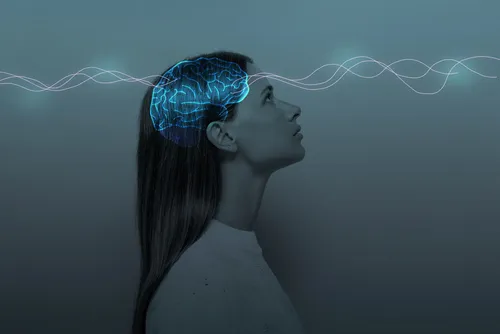
Treatment for drug addiction and serotonin syndrome requires a tailored approach to address both physical and psychological needs. In many cases, an IOP for teens can provide structured, age-appropriate support as part of a comprehensive treatment plan.
Help and support for addiction and mental health challenges are readily available in Northern Illinois. Northern Illinois Recovery Center offers personalized treatment plans tailored to your needs, including detox, therapy, and aftercare programs. Their team provides compassionate care for substance use disorders, co-occurring mental health conditions, and related issues like serotonin syndrome, while our Am I Addicted to Drugs Quiz can help you take the first step in understanding your situation. For those struggling with Xanax dependence, our specialized Xanax drug rehabilitation center Illinois provides targeted care and support.
With evidence-based therapies and a supportive environment, they focus on long-term recovery and overall well-being. Whether you’re seeking help for yourself or a loved one, their programs—including the fentanyl detox center Illinois—are designed to guide you every step of the way. Don’t wait to take the first step toward healing—reach out today to learn more about their services.
Contact Northern Illinois Recovery Center to start your journey to recovery. Help is here, and you don’t have to face it alone.
Feel free to contact us if you require any further information about our services

Treatment · Aug 19, 2026
Adolescents struggling with substance use disorders or co-occurring mental health…

Mental Health · Aug 6, 2026
Summer is often seen as a time of joy, energy,…

Teen Treatment · Jul 16, 2026
As the school year begins, many teens experience a mix…

Mental Health · Jul 2, 2026
The barriers to obtaining comprehensive mental health treatment are more…

Mental Health · Jun 22, 2026
Post-traumatic stress disorder (PTSD) is a mental health condition that…

Mental Health · Jun 15, 2026
Veterans carry the weight of their service long after they…

Mental Health · Jun 15, 2026
Depression is one of the most common mental health conditions…

Mental Health · Jun 3, 2026
Mental and physical health are deeply connected. While many people…

Mental Health · May 22, 2026
Mental health and behavioral health are two terms that are…

Treatment · Apr 17, 2026
Many people ask, " Can you work while in rehab?”…