Our teen and adolescent intensive outpatient program (IOP) at Northern Illinois Recovery provides personalized, structured treatment for adolescents ages 13–18 who are experiencing primary substance use, primary mental health, or co-occurring needs. The program is designed to provide meaningful clinical support while allowing teens to remain connected to their families, schools, and communities.
Treatment is tailored to each teen’s individual needs, goals, and circumstances. Clinical programming follows a structured weekly curriculum with distinct themes focused on areas such as identity, emotional regulation, relationships, coping skills, and recovery and future planning. This approach gives adolescents opportunities to build practical skills while addressing the challenges that may affect their mental health, substance use, relationships, and daily lives.
Our adolescent programming emphasizes individualized care, therapeutic support, skill development, and family involvement. When the program operates during the school year, Northern Illinois Recovery also works with participating students’ schools to support educational continuity and coordinate coursework as appropriate.
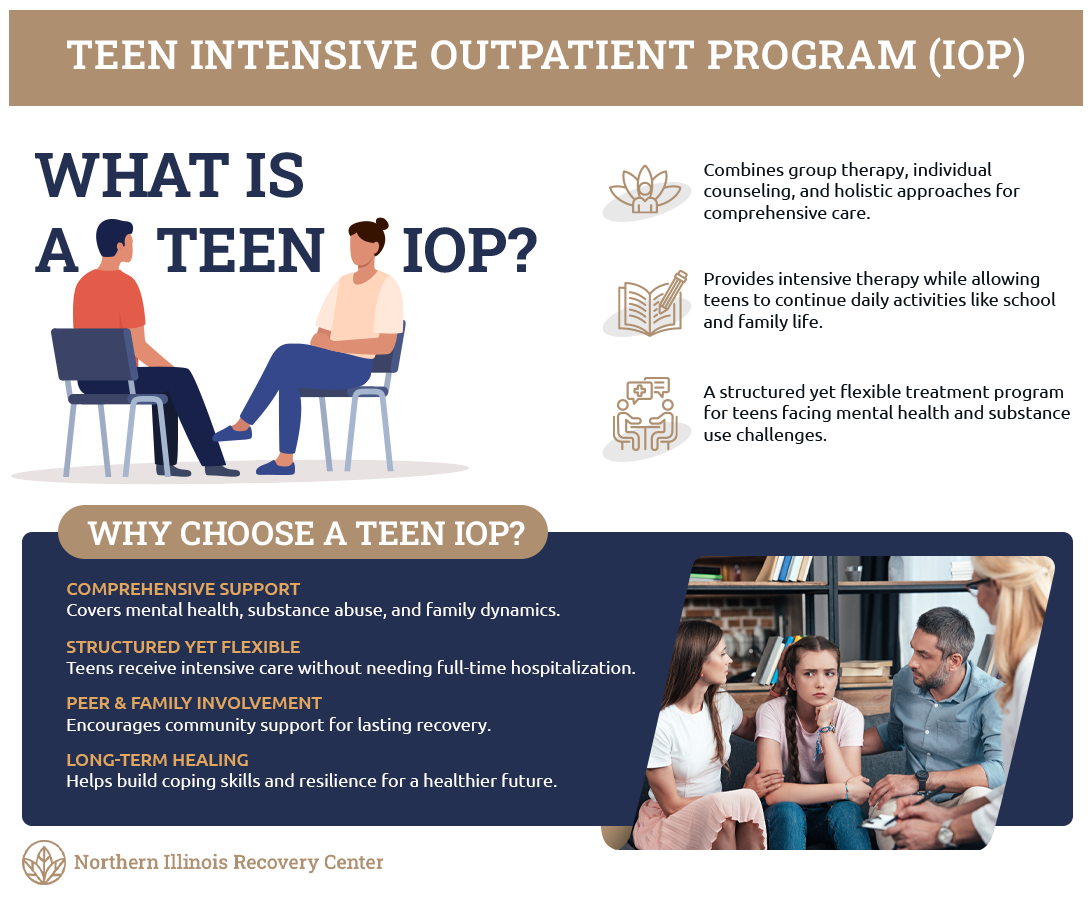
An intensive outpatient program (IOP) is a treatment program that provides structured, comprehensive care to individuals who do not need 24-hour supervision or hospitalization. It is designed for those who are struggling with moderate or severe addiction and mental health issues that require intensive treatment but can still function in their daily lives.
IOP aims to give adolescents the tools and support they need to manage symptoms, develop healthy coping strategies, and improve overall well-being. Treatment plans are tailored to each teen’s specific needs and may include individual therapy, group therapy, family involvement, medication management when appropriate, and experiential or skills-based programming. For teens who need a higher level of structured care, our teen partial hospitalization program (PHP) provides additional programming and support.
Key Features of an IOP in Illinois
Northern Illinois Recovery’s teen IOP is designed around the developmental and clinical needs of adolescents ages 13–18. Rather than using a one-size-fits-all approach, the program provides individualized treatment for teens with primary substance use, primary mental health, or co-occurring needs.
Key features of the program include:
- Personalized Treatment: Each teen receives a treatment plan based on their individual clinical needs, goals, strengths, and circumstances.
- Structured Clinical Programming: Programming follows a themed weekly structure that helps teens build skills and work through important areas of their lives.
- Individual and Group Therapy: Teens participate in therapeutic services designed to address their specific needs while providing opportunities for connection and peer support.
- Family Involvement: Family participation can help improve communication, strengthen relationships, and support recovery outside of treatment.
- Experiential and Skills-Based Activities: Teens can practice coping, emotional regulation, communication, and other skills through interactive therapeutic experiences.
- School Support: When programming takes place during the school year, Northern Illinois Recovery works with participating students’ schools to help coordinate educational coursework.
- Continuity of Care: Teens can receive support across levels of care, including IOP and PHP, as their clinical needs change.

A Structured Weekly Curriculum for Teens
The Teen IOP follows a themed clinical structure across the week. Each day focuses on a distinct area of development and recovery, giving adolescents the opportunity to explore different skills and challenges throughout their treatment experience.
Weekly programming may focus on:
- Identity: Helping teens explore identity, values, strengths, and the factors that influence how they see themselves.
- Emotional Regulation: Developing healthier ways to recognize, understand, and manage difficult emotions.
- Relationships: Building communication skills and exploring healthy relationships with family members, peers, and others.
- Coping Skills: Practicing practical strategies for managing stress, cravings, difficult emotions, and other challenges.
- Recovery and Future Planning: Helping teens identify goals, prepare for challenges, and develop skills that support continued progress beyond treatment.
The structured curriculum provides consistency while allowing treatment to remain individualized. Teens can apply what they learn to situations they encounter at home, at school, with peers, and in their recovery.
Mental Health and Substance Use Needs We Treat
Teens and adolescents encounter a diverse array of mental health disorders, with anxiety and depression ranking as the most prevalent. Mental health challenges among teenagers are frequently intensified by developmental transitions, social pressures, and the influence of technology and social media.
Mental health disorders can be effectively addressed through a range of therapeutic methods and, in certain instances, pharmacological treatment. Timely intervention and a collaborative care strategy, which may involve psychotherapy, family therapy, and medication, are essential for achieving positive results. At Northern Illinois Recovery Center in Crystal Lake, IL, we treat the following mental disorders affecting teens and adolescents:
- Anxiety Disorders: The most commonly diagnosed mental health disorders among adolescents include Generalized Anxiety Disorder (GAD), Social Anxiety Disorder, and Panic Disorder.
- Depression: Depression is characterized by enduring feelings of sadness, hopelessness, and a diminished interest in activities, which adversely affect daily functioning. If not addressed, depressive disorders can profoundly affect a teenager’s health and quality of life.
- Substance use disorders (SUDs): The improper or excessive use of drugs can adversely affect mental health.
- Eating disorders: Disorders related to eating, such as anorexia or bulimia, can have an impact on teenagers.
- Attention-deficit/hyperactivity disorder (ADHD): Attention-deficit/hyperactivity disorder may present as challenges in concentration, impulsive behavior, and heightened levels of activity.
- Bipolar Disorder: Bipolar disorder is characterized by irritability, significant mood fluctuations, and various other symptoms in teenagers and adolescents. A successful treatment strategy typically involves a blend of medication and therapeutic interventions.
- Post-traumatic stress disorder (PTSD): Experiencing trauma may result in flashbacks, panic attacks, and challenges with concentration, which can affect everyday life. Post-traumatic stress disorder may present with symptoms such as intrusive thoughts, avoidance behaviors, alterations in mood, and increased arousal. If not addressed, PTSD can profoundly affect relationships, academic performance, and general well-being.
- Obsessive-compulsive disorder (OCD): OCD in adolescents is characterized by persistent, intrusive thoughts (obsessions) and repetitive actions or mental processes (compulsions) that greatly affect their everyday life. It’s essentially an anxiety disorder that provokes feelings of worry, guilt, fear, or shame.
- Self-harm: Given the numerous factors and stressors involved, you may encounter patients who partake in self-harm or non-suicidal self-injury (NSSI). Children and adolescents may resort to self-harm for various reasons, often due to a deficiency in healthy coping mechanisms for managing challenging emotions. Timely intervention is essential to prevent NSSI from becoming a long-term issue, as these behaviors tend to be highly reinforcing.
- Social media addiction: Research indicates that the use of social media among teenagers is closely linked to heightened levels of depression and diminished life satisfaction. Many adolescents struggle with regulating and articulating their emotions, and they are particularly vulnerable to peer influence. This vulnerability increases the risk of developing depression, anxiety, social phobias, or exacerbating existing mental health conditions.
It is essential to acknowledge the indicators of mental health issues in adolescents and to pursue professional assistance when necessary. Timely recognition and intervention can greatly enhance results and support teenagers in cultivating effective coping strategies.
A Personalized Approach to Teen Mental Health and Recovery
Every teenager enters treatment with different experiences, strengths, challenges, and goals. Northern Illinois Recovery’s Teen IOP is designed to meet adolescents where they are rather than applying the same treatment approach to every participant.
The program serves teens ages 13–18 with primary substance use needs, primary mental health needs, or co-occurring substance use and mental health needs. Treatment may address challenges related to substance use, emotional regulation, relationships, coping, school, family dynamics, and other areas that affect a teen’s well-being.
Clinical services are incorporated into an individualized treatment plan and adjusted based on each adolescent’s progress and needs. This personalized approach allows treatment to focus on the areas that are most relevant to the individual teen while providing a consistent and supportive therapeutic environment.
Individualized Outpatient Treatment for Teens
Treatment for adolescents can involve many different factors, including substance use, mental health symptoms, relationships, family dynamics, school responsibilities, and developmental changes. Northern Illinois Recovery takes an individualized approach to help teens address the concerns that are most relevant to their lives.
Treatment may include:
Firstly, a comprehensive assessment is essential in understanding the root causes of the teenager’s struggles. It involves looking at their personal history, family dynamics, peer relationships, school performance, substance use patterns, and any underlying mental health conditions.
Once the assessment is completed, an individualized treatment plan will be created based on the teen’s unique needs. This may include a combination of evidence-based therapies such as cognitive-behavioral therapy (CBT), dialectical behavior therapy (DBT), family therapy, or group therapy. These therapies aim to help teenagers develop coping skills, manage emotions effectively, challenge negative thoughts and behaviors, improve communication and relationships with others, and ultimately change their self-destructive patterns.
Apart from traditional therapies, a holistic treatment approach can also play a crucial role in treating teens battling addiction and mental health issues. This may include mindfulness practices like meditation or yoga, art therapy, music therapy, and outdoor activities such as hiking or equine-assisted therapy.
In some cases, medication may also be necessary to address underlying mental health conditions such as depression or anxiety that contribute to substance abuse. However, medications should always be used in conjunction with therapy for maximum effectiveness.
Another important aspect of treatment is involving the family in the recovery process. Family support has been shown to have a significant impact on an adolescent’s treatment outcomes. It is essential to educate parents and other family members about their teenager’s addiction and mental health disorder and how they can support their recovery journey.
We utilize types of holistic methods such as yoga to explore the connections between an individual’s mind, body, and spirit. Our approach is trauma-informed, which is inclusive of mediation and breathwork.
Trauma-informed yoga focuses on ensuring safety, providing options, and promoting conscious movement for those with a history of trauma, acknowledging the effects of trauma on both mental and physical well-being. This highlights the importance of establishing a secure environment conducive to healing and emotional stability through gentle and mindful practices. Yoga helps our clients enhance their physical health but also aims to improve their mindfulness, allowing them to address and overcome anxiety and triggers.
Our addiction aftercare programs in Illinois are crucial for maintaining sobriety and managing mental health symptoms in the long term. This may involve continued therapy sessions, support groups, sober living arrangements, or regular check-ins with a counselor or psychiatrist.
Teen IOP Program at Northern Illinois Recovery Center
Northern Illinois Recovery’s teen IOP provides structured clinical support for adolescents ages 13–18 who are experiencing primary substance use, primary mental health, or co-occurring needs. The program combines individual and group therapy with educational, experiential, and skills-based programming designed around the needs of adolescents.
The clinical team works with each teen to develop an individualized treatment plan. Programming addresses areas such as emotional regulation, coping skills, relationships, identity, recovery, and future planning. Teens have opportunities to connect with peers while working with experienced professionals in a supportive treatment environment.
Individual therapy is an important part of the program, with sessions occurring weekly as part of the updated treatment structure. Group programming provides opportunities to practice skills, discuss challenges, and learn from peers who may be navigating similar experiences.
The program also incorporates implementation and integration activities that allow teens to put therapeutic concepts into practice. These activities may be discussion-based or experiential, depending on the day’s programming and the needs of participants.
Family involvement remains an important part of adolescent care. When appropriate, families can participate in treatment and learn strategies that support communication, healthy boundaries, and continued progress outside of the program.
Teen IOP and PHP Schedule
Northern Illinois Recovery offers structured weekday programming for adolescents through both Teen IOP and Teen PHP.
Teen IOP Hours
Teen IOP is currently available Monday through Friday from 9:00 AM to 12:00 PM.
These daytime hours will remain available as an option during the school year. Once the school year resumes, the program will also add the standard 4:00 PM to 7:00 PM schedule three days per week.
Teen PHP Hours
Teen PHP is available Monday through Friday from 9:00 AM to 2:45 PM.
PHP provides additional structured programming compared with IOP. The additional afternoon hours include implementation and integration activities, which may be discussion-based or experiential, as well as time dedicated to educational coursework when applicable.
Program schedules may vary based on the individual’s treatment plan and current program structure. Families can contact Northern Illinois Recovery to learn more about current availability and determine which level of care may be appropriate.
Supporting Teens With School During Treatment
Maintaining educational continuity can be an important consideration for families when a teenager enters treatment. Northern Illinois Recovery is working to support participating students’ educational needs while they receive clinical care during the school year.
When the program operates during the school year, Northern Illinois Recovery will co-facilitate educational coursework with the schools of participating clients. The goal is to help students remain connected to their academic responsibilities while receiving treatment.
Northern Illinois Recovery is currently working on a contract with Learn Well, an organization that provides certified teachers and school liaison services. Learn Well is expected to coordinate with students’ schools regarding coursework and provide appropriate updates.
For PHP students, the planned educational component is expected to include approximately one to two hours of coursework per day. Final implementation and scheduling will depend on the program and school coordination process.
Families should speak with the treatment team about current school support options and how educational services can be coordinated with their teen’s treatment schedule.





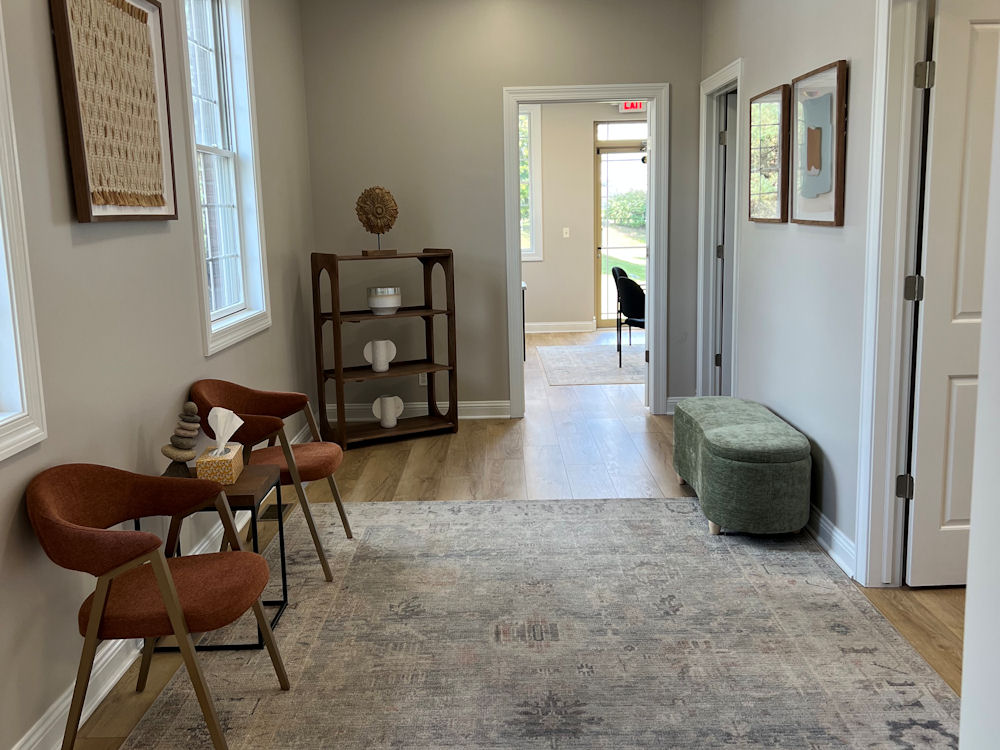
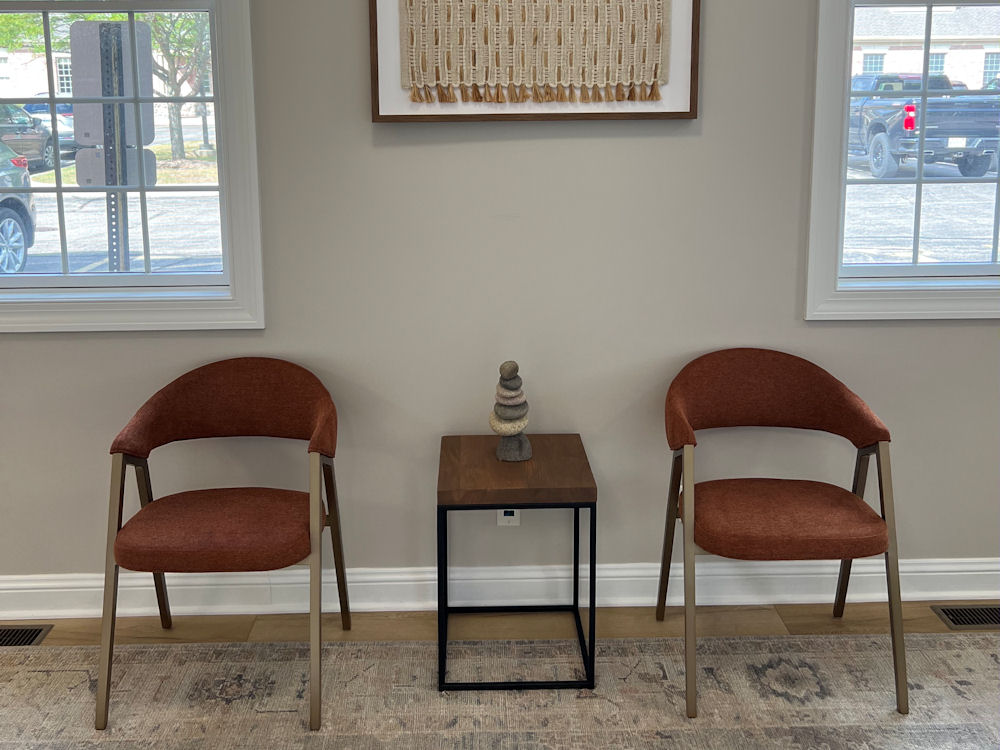
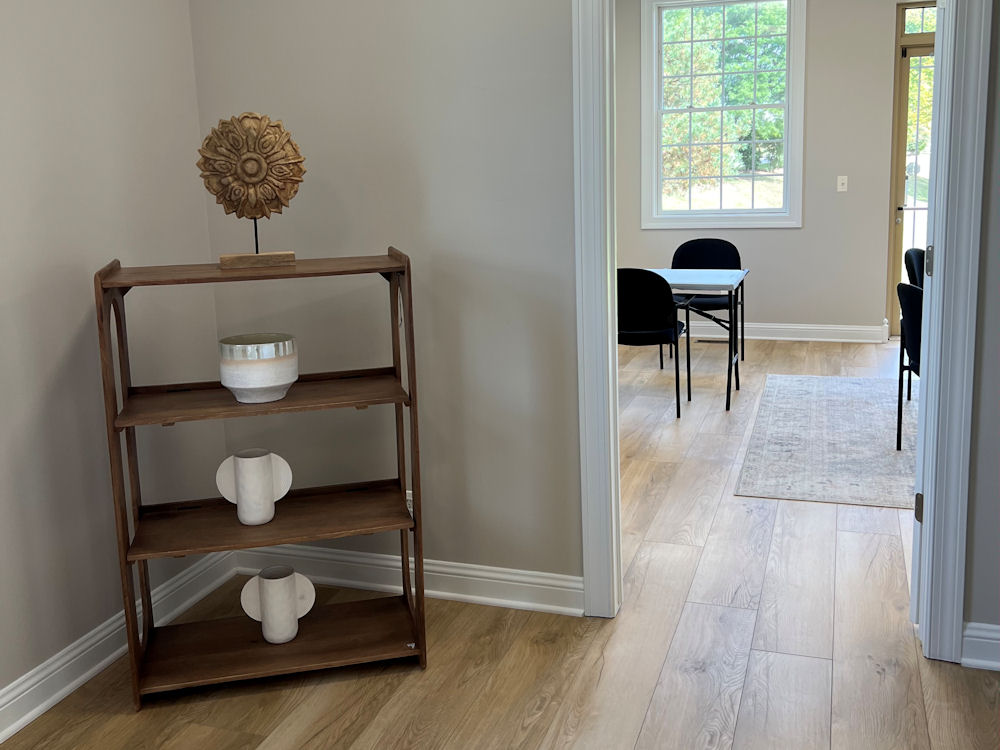
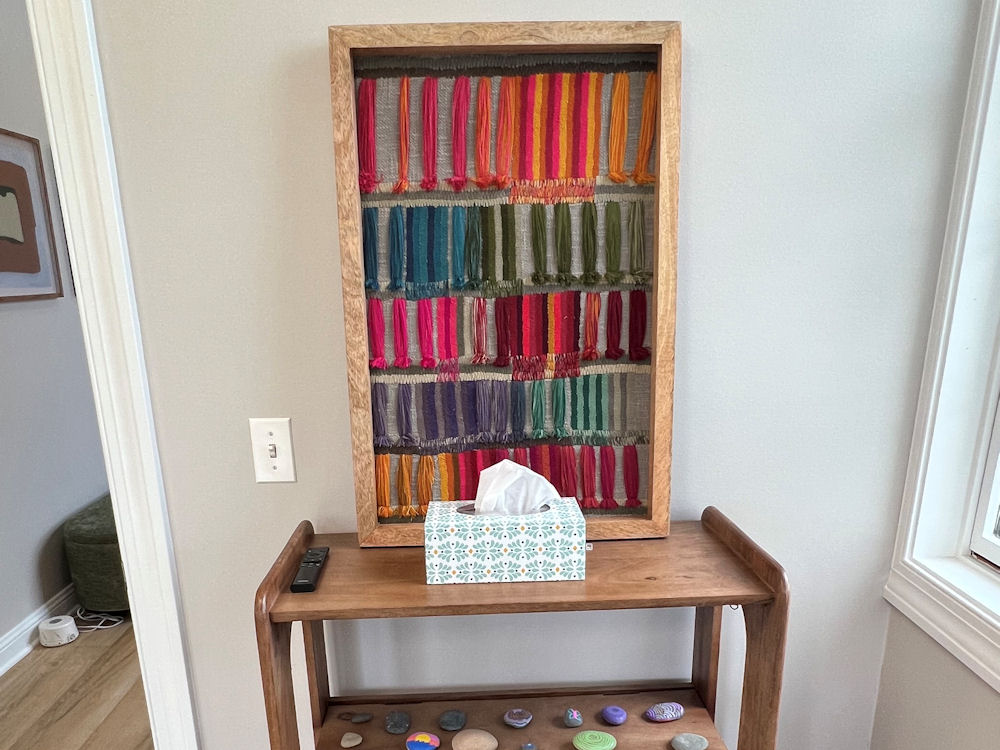
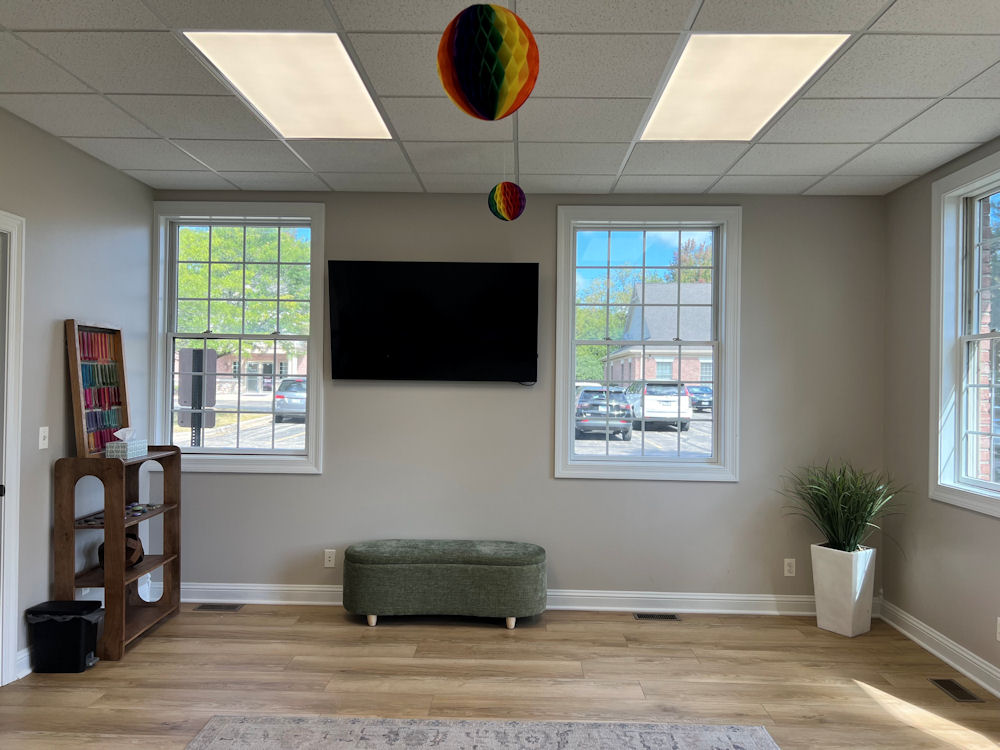
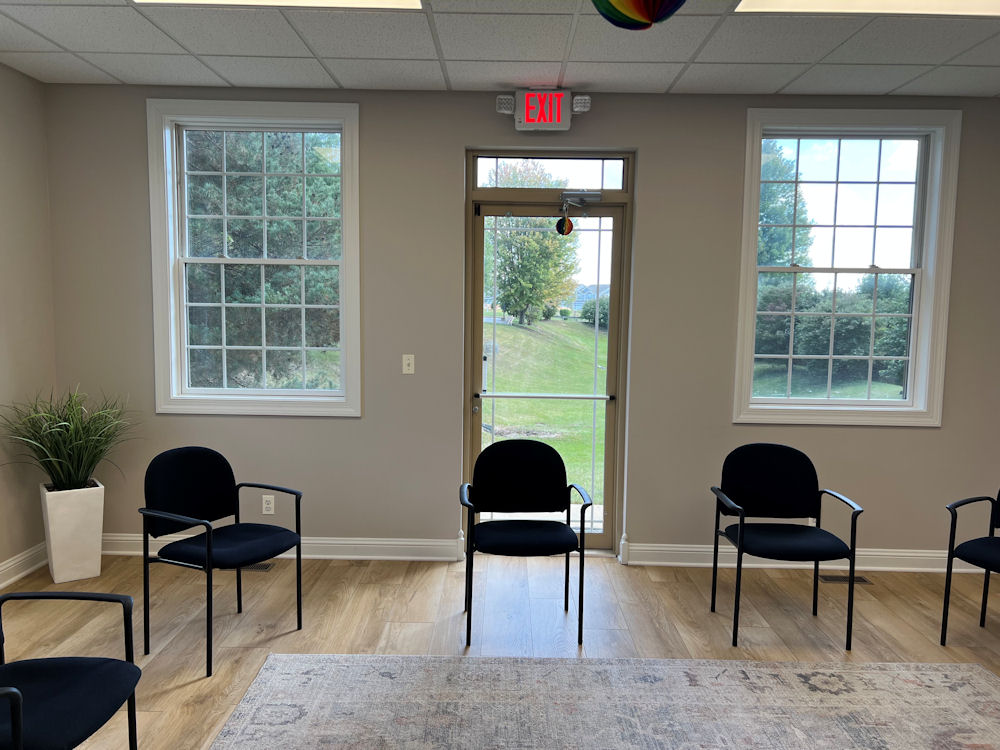
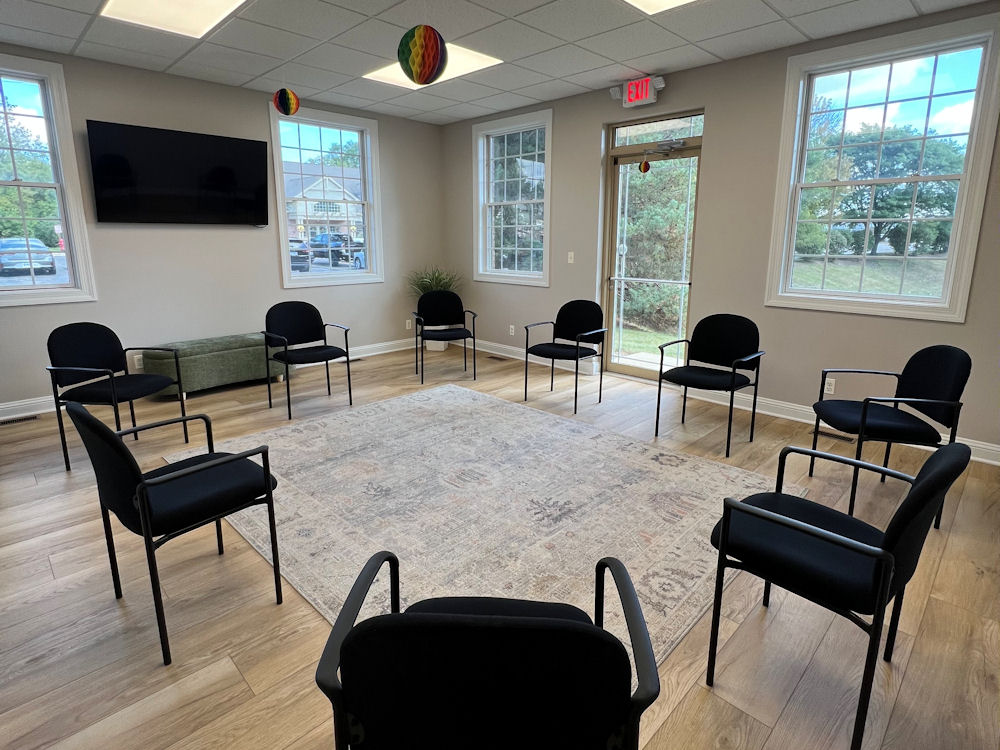

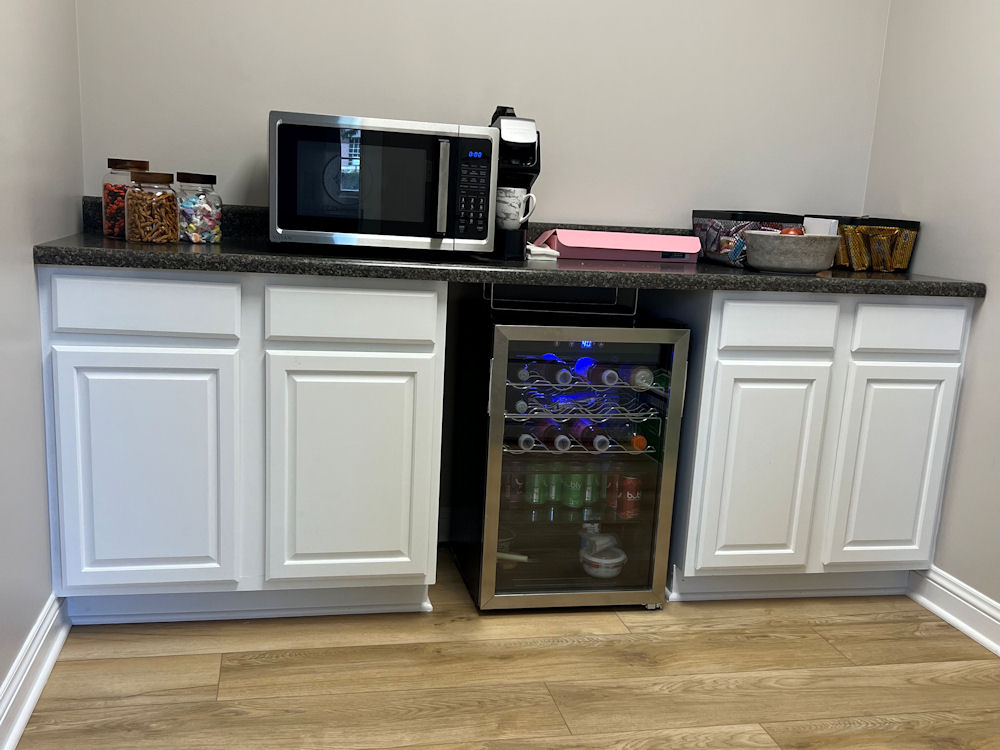
Adolescent IOP Facility
 Programming for Teens Ages 13–18
Structured treatment for primary substance use, primary mental health, or co-occurring needs.
 Personalized Clinical Care
Individual and group therapy tailored to each teen’s needs and treatment goals.
 Structured Weekday Programming
Themed clinical programming focused on identity, emotional regulation, relationships, coping skills, and recovery planning.
Benefits of An Adolescent IOP
- Personalized Treatment: Each teen receives care based on their individual clinical needs, goals, strengths, and circumstances.
- Structured Support: A consistent weekly schedule gives adolescents opportunities to work on therapeutic goals while maintaining connections to home and school.
- Comprehensive Care: The program can support teens with primary substance use, primary mental health, or co-occurring needs.
- Peer Support: Group programming gives adolescents opportunities to connect with peers and develop interpersonal skills in a supportive environment.
- Family Involvement: Family participation can help improve communication and give parents and caregivers additional tools for supporting their teen.
- School Support: When applicable, educational coursework can be coordinated with a participating teen’s school during the school year.
- Skills Development: Teens can practice emotional regulation, coping, communication, relationship, and recovery skills that can be applied outside treatment.
- Continuity of Care: Adolescents can receive support across different levels of care as their clinical needs change.
Find Long-Term Healing at Northern Illinois Recovery
Through our various programs, such as our intensive outpatient program, residential treatment, family therapy, and holistic approaches, we empower individuals to develop healthy coping mechanisms, improve their relationships, and rediscover the joy in life without the use of drugs or alcohol.
We also offer specialized treatment tracks for co-occurring mental health disorders, trauma-related issues, relapse prevention, and more. Our goal is to provide individuals with the tools they need to maintain long-term sobriety and achieve overall wellness.

Need Help Today?