Addiction can lower your quality of life and increase your chances of experiencing serious medical and mental health problems. Prescription medications like Xanax are prone to abuse and can cause physical dependency. Xanax addiction can develop within weeks of taking this prescription anxiety medication exactly as your doctor prescribed. What begins as legitimate medical treatment often transforms into physical dependence and psychological addiction without warning. Help from a Xanax addiction rehab center is typically needed to fully recover from the physical, cognitive, and emotional impact caused by addiction.
Substance abuse disorders have reached epidemic levels in the United States, causing drug overdoses to become the leading cause of accidental death. Young adults have been hit especially hard, with drug overdoses doubling over the past ten years and becoming the overall leading cause of death among 18 to 25-year-olds. At Northern Illinois Recovery Center in Crystal Lake, Illinois, we offer a wide range of substance abuse treatment programs, including Xanax addiction treatment.
Taking in large amounts can lead to an Xanax overdose. It is also very dangerous to mix Xanax with other substances, especially other depressants. You can stop breathing when you take Xanax in combination with alcohol or opiates.
How Does Xanax Work?
Common forms of Xanax include:
- Immediate-release tablets: Available in 0.25mg, 0.5mg, 1mg, and 2mg strengths
- Extended-release tablets: Last longer in your system
- Orally disintegrating tablets: Dissolve on your tongue
Doctors typically prescribe Xanax for short periods because of its potential for dependence. The National Institute on Drug Abuse reports that Xanax is among the most commonly prescribed benzodiazepines in America.
Is Xanax Addictive?
Your brain naturally produces GABA to help you feel calm. However, when using Xanax regularly, your brain starts producing less natural GABA because it expects the medication to do the work. This creates a cycle where you need the medication just to feel normal.
Physical dependence differs from addiction, though they often occur together. Dependence means your body has adapted to the drug and experiences withdrawal without it. Addiction involves compulsive use despite negative consequences.
Several factors increase your risk of developing Xanax addiction:
- Previous substance abuse: History of addiction to other substances
- Mental health conditions: Depression or severe anxiety disorders
- Family history: Genetic predisposition to addiction
- High stress levels: Chronic stress or trauma
What Is Considered Long-Term Xanax Use?
- Memory impairment
- Depression
- Headache
- Dizziness
- Dysarthria (slow or slurred speech)
- Fatigue or drowsiness
Even though it’s normal to experience a few side effects when taking Xanax, make sure to check in with your doctor first.
What Are the Side Effects of Xanax?
- Memory impairment
- Depression
- Headache
- Dizziness
- Dysarthria (slow or slurred speech)
- Fatigue or drowsiness
Even though it’s normal to experience a few side effects when taking Xanax, make sure to check in with your doctor first.
Insurance Verification




What Are the Signs and Symptoms of Xanax Abuse?
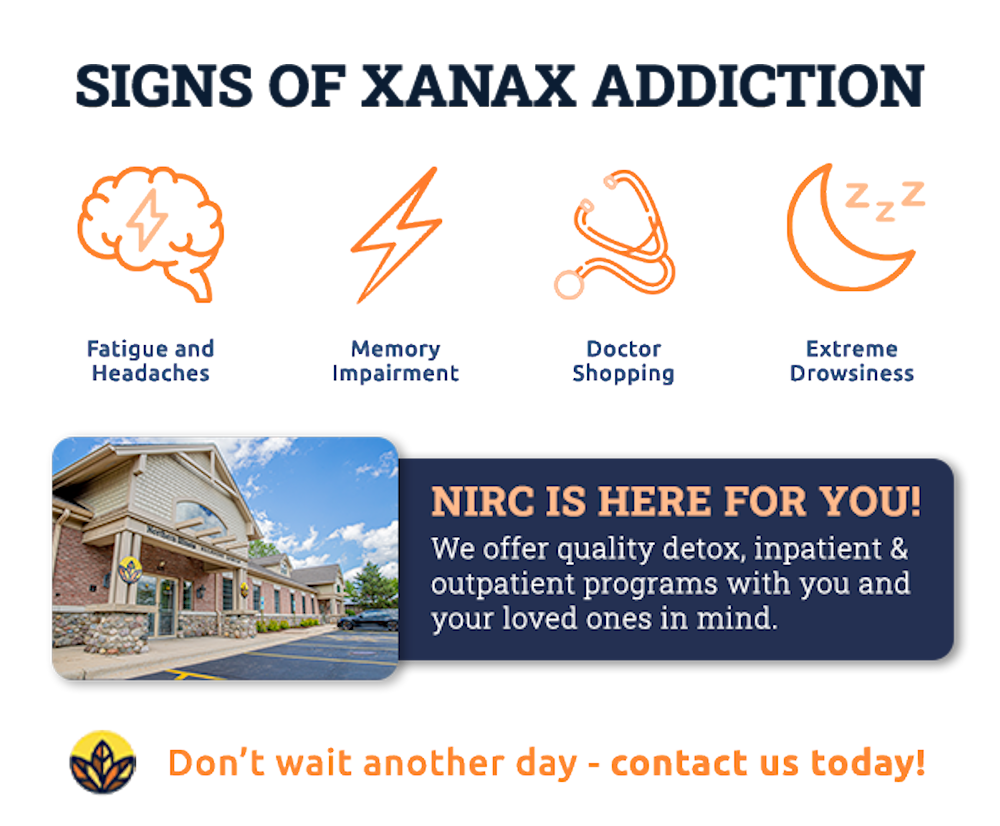
- Asking friends, family, classmates, significant others, and/or colleagues for their Xanax pills
- Purchasing Xanax or other sedatives on the street
- Doctor shopping to gain extra Xanax pills
- Poor motor coordination
- An inability to reduce intake
- Slurred speech
- Extreme drowsiness
The withdrawal process from Xanax after an individual engages in sustained use can be particularly dangerous. It is a powerful recommendation that an individual receive assistance from a professional program, such as detox. Once Xanax abuse begins to progress, it can transition into what mental health professionals call an anxiolytic use disorder, or sedative-hypnotic.
This term derives from the Diagnostic and Statistical Manual of Mental Disorders, 5th edition (DSM-5), which is a reference book that is considered vital to the mental health community. Some of the earlier editions of the DSM-5 distinguished between physical dependence and addiction. However, the DSM-5 consolidated these concepts into a substance use disorder categorization.
How Xanax Addiction Develops
The progression usually begins with taking Xanax as prescribed for anxiety or panic disorders. Over time, your brain becomes accustomed to the medication, requiring higher doses to achieve the same calming effects.
Tolerance develops when your brain adapts to regular Xanax use, making your original dose less effective. This biological process happens naturally and doesn’t indicate personal weakness.
As tolerance builds, you might find yourself taking larger doses or more frequent doses than prescribed. What once provided hours of anxiety relief might only work for a short time, leading you to take more throughout the day.
Some people combine Xanax with alcohol or opioid medications to enhance the calming effects. This practice dramatically increases your risk of overdose and death.
Both alcohol and opioids are central nervous system depressants, just like Xanax. When combined, these substances can slow your breathing and heart rate to dangerous levels, potentially causing coma or death.
Many people begin using Xanax beyond their prescribed guidelines to manage anxiety symptoms. You might take extra doses before stressful events or increase your daily intake during challenging periods.
This self-medication creates a cycle where anxiety symptoms worsen between doses, leading to more frequent use. The rebound anxiety that occurs as Xanax leaves your system often feels more intense than your original anxiety symptoms.
Xanax Detox
It can take a detox process of days or even months to get past withdrawal symptoms for the majority of drugs. The length of withdrawal symptoms depends on several factors, including:
- Method of abuse (smoking, injecting, swallowing, and snorting)
- The type of substance that the user is addicted to
- Underlying medical conditions
- The duration of the addiction lasted
- Amount of substance taken
- Family history
How Long Does Detox Take?
There are other drugs, such as benzodiazepines, that require a lengthier detox timetable, such as two weeks or more. The actual time it takes to eliminate the harmful substances from a person’s body is typically less important than actually making long-term changes to guarantee the user won’t relapse. Also, any recurring triggers can instead be managed effectively.
Both outpatient and inpatient Xanax addiction rehab programs can assist individuals who are struggling with drug and alcohol use. Xanax rehab centers can help people recover rapidly and comfortably while teaching healthy coping strategies. These coping strategies will enable the patients to be able to weather any displeasing physical or mental symptoms later on.
What Are the Side Effects of Detox?
A medically supervised detox program prevents threatening drug and alcohol withdrawal complications. Although medical detox restricts withdrawal symptoms, some are inevitable. The most common side effects of detox at Xanax rehab centers are:
- Body discomfort
- Mood swings
- Poor sleep
- Insomnia
- Nausea
- Difficulties concentrating
- Anxiety or nervousness
Withdrawal Symptoms from Xanax Addiction
- Nausea, vomiting, and cramps
- Depression and suicidal ideation
- Anxiety
- Insomnia and exhaustion
- Seizures and tremors
Xanax withdrawal symptoms can begin within 24 hours of your last use and typically alleviate within one week. The severity of withdrawal makes it difficult to recover without the help of a Xanax addiction rehab center, such as the one Northern Illinois offers.
Treatment Options At Our Xanax Rehab in Illinois
The goal is to have our clients safe and comfortable during detox. Withdrawal should never be attempted alone because of the risk of seizures and relapse. The final part of the Xanax treatment process will involve addressing the mental damage caused by the addiction itself.
According to the Journal of Clinical and Consulting Psychology, cognitive behavioral therapy (CBT) has shown the most considerable amount of effectiveness in assisting clients to completely taper off of benzodiazepines. Cognitive behavioral therapy is a system of counseling that helps a client see how their thoughts and behavioral patterns led to their Xanax addiction and abuse. As the therapist works closely with the client, they will be able to discover more positive and healthier ways of dealing with the root issues behind the Xanax addiction.
What Our Xanax Rehab in Illinois Offers
- Alcohol addiction
- Barbiturate Addiction Rehab
- Benzo Addiction Rehab
- Cocaine addiction
- Heroin addiction
- Meth addiction
- Opioid addiction
- Prescription drug addiction
Residential treatment offers you the highest level of care, making it an ideal choice if you have a severe addiction. Many inpatient centers offer detox and addiction aftercare programs, as well as referrals to outpatient providers. You can choose to attend either a short-term or long-term Xanax addiction treatment center. Short-term programs usually last for no more than 28 days. Long-term residential care programs can offer treatment for 90 days or more.
Outpatient programs allow you to return home each night. A partial hospitalization program provides the highest level of outpatient care. Some partial hospitalization programs also provide detox services.
IOPs are less time-intensive but allow you to continue working or going to school during treatment. You can continue individual counseling after your treatment at a Xanax addiction treatment center, then transition to sober living and attend group therapy. Peer-led support groups like AA, NA, and SMART Recovery provide access to a strong support network during recovery.
Aftercare and Relapse Prevention for Benzodiazepine Dependence
Research shows that people who participate in aftercare programs have significantly higher rates of sustained recovery. These programs provide ongoing support and accountability during the vulnerable early months of sobriety.
Sober living homes provide a structured, substance-free environment for people transitioning from residential treatment back to independent living. These homes offer peer support and accountability while allowing you to gradually resume normal responsibilities.
Alumni groups connect you with others who have completed similar treatment programs. These groups provide ongoing support, encouragement, and practical advice for maintaining recovery over time.
Continued therapy helps you maintain your recovery skills and address new challenges that arise. Many people benefit from monthly or quarterly check-ins with their therapist or counselor.
Telehealth options make ongoing support more accessible and convenient. Northern Illinois Recovery Center offers virtual aftercare services to help you maintain your connection to treatment even after completing formal programs.
Finding Treatment Today at Northern Illinois Recovery Center
We offer comprehensive services specifically designed for Xanax addiction, including medically-assisted detox with 24/7 supervision, residential treatment programs, dual diagnosis expertise, multiple outpatient options, and virtual programs. Our treatment outcomes consistently exceed industry averages, reflecting our commitment to evidence-based care and personalized treatment planning.
We believe recovery is possible for everyone, and we’re dedicated to helping you achieve lasting sobriety and improved quality of life. Contact us today.