
Treatment · Aug 19, 2026
The Benefits of Partial Hospitalization Programs for Teens
Adolescents struggling with substance use disorders or co-occurring mental health…

By: Casey Polka
At the beginning of 2018, I started my journey to recovery. Before that, it was many failed attempts at sobriety. Hospitals, inpatients, therapy, uncomfortable places. I had this idea that when becoming sober, I would be “normal” again. That years of damage, trauma, and mental illness would disappear along with my drug use. Within multiple years, I think the cleanest time I was able to achieve was around 5 days.
This led me to believe that sobriety was not possible for me.
The truth is that with each attempt to become sober, I was left with this big empty hole of not knowing who I was. I was left with this confusion of not knowing who I was supposed to be.

I once had a passion for art- in all forms.
I was passionate about painting and writing, and after having two pieces of my writing published I knew I wanted to someday be a full-time writer. I was full of life and passion for creating. I was full of love for people who shared the same pain as I did.
My symptoms of mental illness became apparent at a very early age, and quickly snowballed into a problem that controlled my life. I had always felt empty or as if I didn’t belong- as if I had no real purpose for being alive. I found peace in the chaos through creating. I had a very, very small shimmer of hope inside me that maybe one day, I wouldn’t have to struggle with the things I did.
Until I got high for the first time.
Until I thought that drugs were a quicker and what seemed to be a more efficient way of numbing the pain I felt.
Soon I was no longer an artist.
I was no longer full of life, love, or anything purposeful.
Eventually, I was no longer me.
I bought the lie that my addiction sold me- which was as long as I am high, as long as I am numb, I will be just fine.
I bought the lie that drugs were my friend.
That they were there to heal every past hurt or pain from the past.
I remember thinking that being high was the real peace within the chaos.
My identity was gone- I was gone. With each failed attempt to become sober, I started to realize that I no longer held a spot for the things I once loved.
For the people I once loved.
I tried with every ounce of me to gain my true self back. I sat down to write and nothing came out. I sat down to paint and stared at an empty canvas.
After almost losing my life to my addiction, I decided to give sobriety a final try. I walked into an inpatient rehab facility with nothing but a suitcase, fear, and a spark of hope.
After my body had cleansed itself of all substances, I decided to take that spark of hope and ignite it.
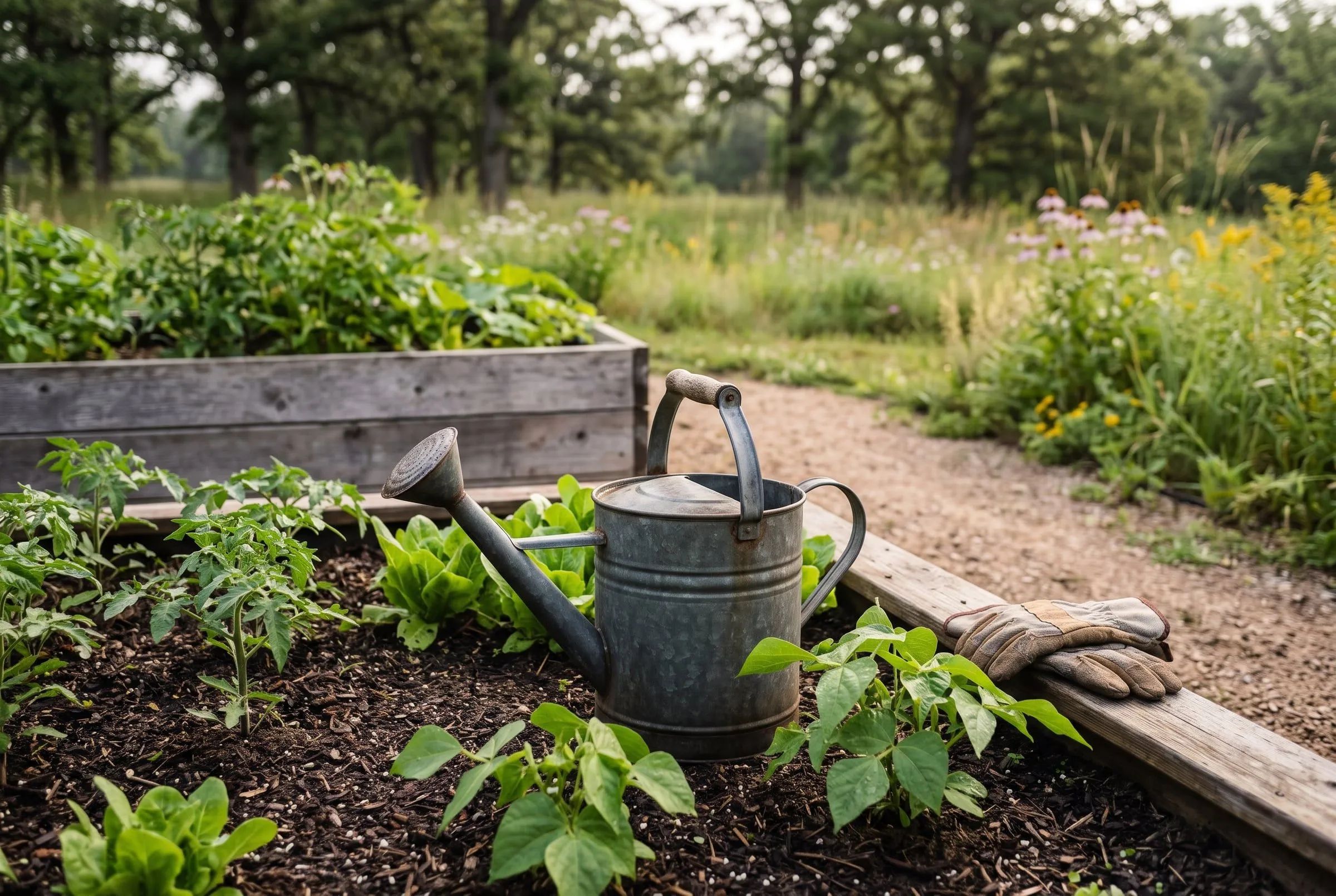
I spent my spare time, when not in groups, reading and studying this thing that had taken full control over me. I spent my time learning what mental illness and addiction really is, and how it relates to me.
I started writing a sentence each morning which eventually led to my pen not leaving the paper for hours.
I began speaking again.
I began looking people in the eyes again.
I felt life springing its way back into me.
I felt purpose for the first time in years.
When it was time to leave treatment, I had a pit of anxiety in my stomach because I still didn’t know who I was supposed to be.
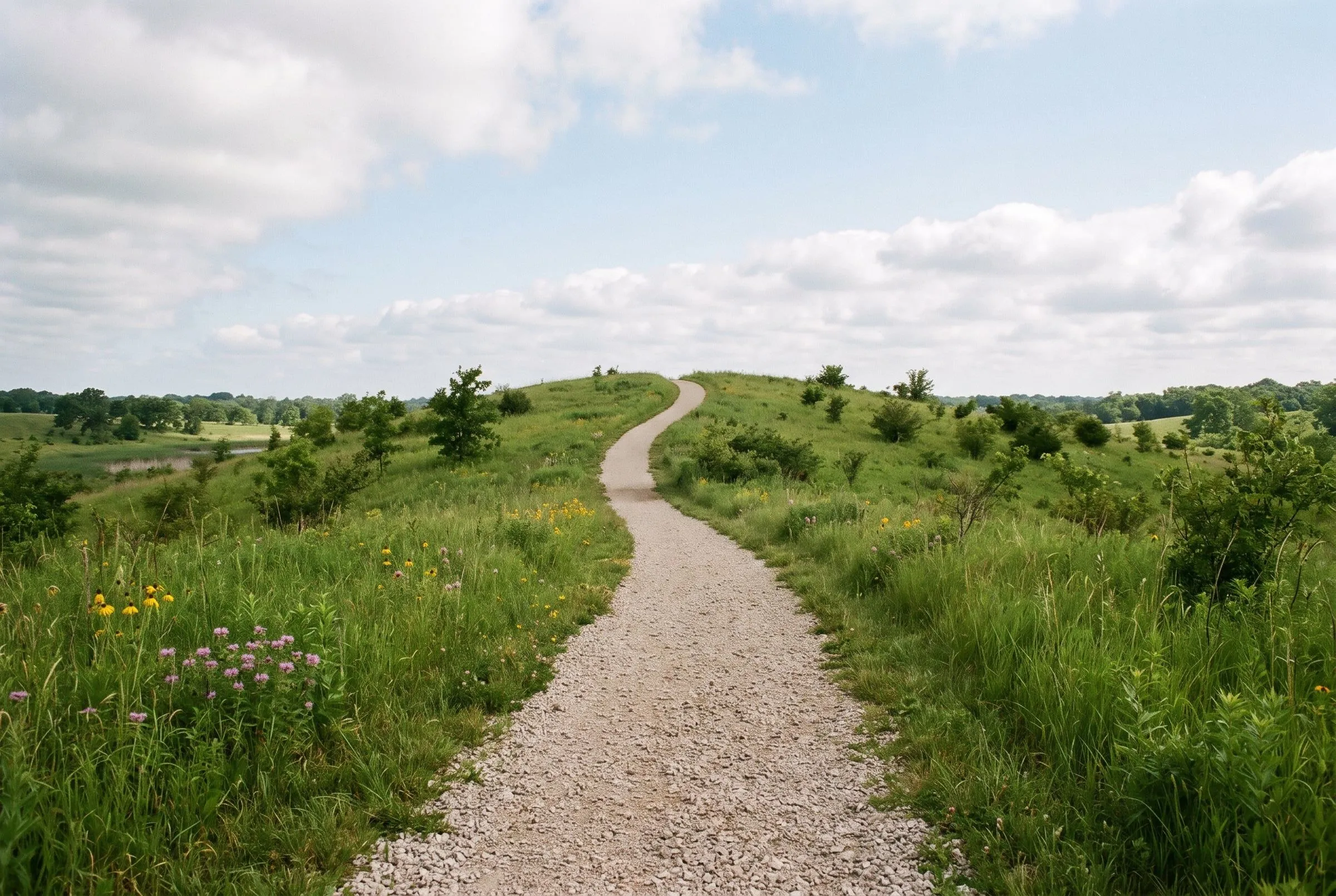
Be sober, of course. But what about a job? What about my way of life, and my hobbies? What will I do with my time?
I tried to put all the pieces together at once, which didn’t work out too well.
I had to sit back, relax and accept the fact that I was growing.
I was healing and unlearning old patterns and behaviors, and creating new ones.
It took time, practice, and repetition.
Over time, I found my way back to the things I once loved.
I’ve found even more new things that I love.
The beautiful thing about recovery is that you can choose and create who you want to be.
There is no one-size-fits-all.
There is no test to pass recovery.
It is not a race, or a thing that you win.
It’s okay to slow down.
It’s okay to rest.
You may not have it all figured out and that’s okay.
You may not know what the future holds for you, that’s okay too.
There is time to start over, to meet new people, and to see new places.
There is time to create the life you want.
It’s not too late.
It comes with trying new things.
It comes with being open and honest, and connecting with people who share your pain.
There is time to ask for help.
You can recover everything that the darkness has stolen.
When you’re ready, there’s a whole world of hope and new opportunities waiting for you.
There’s people willing to help and therapists willing to listen.
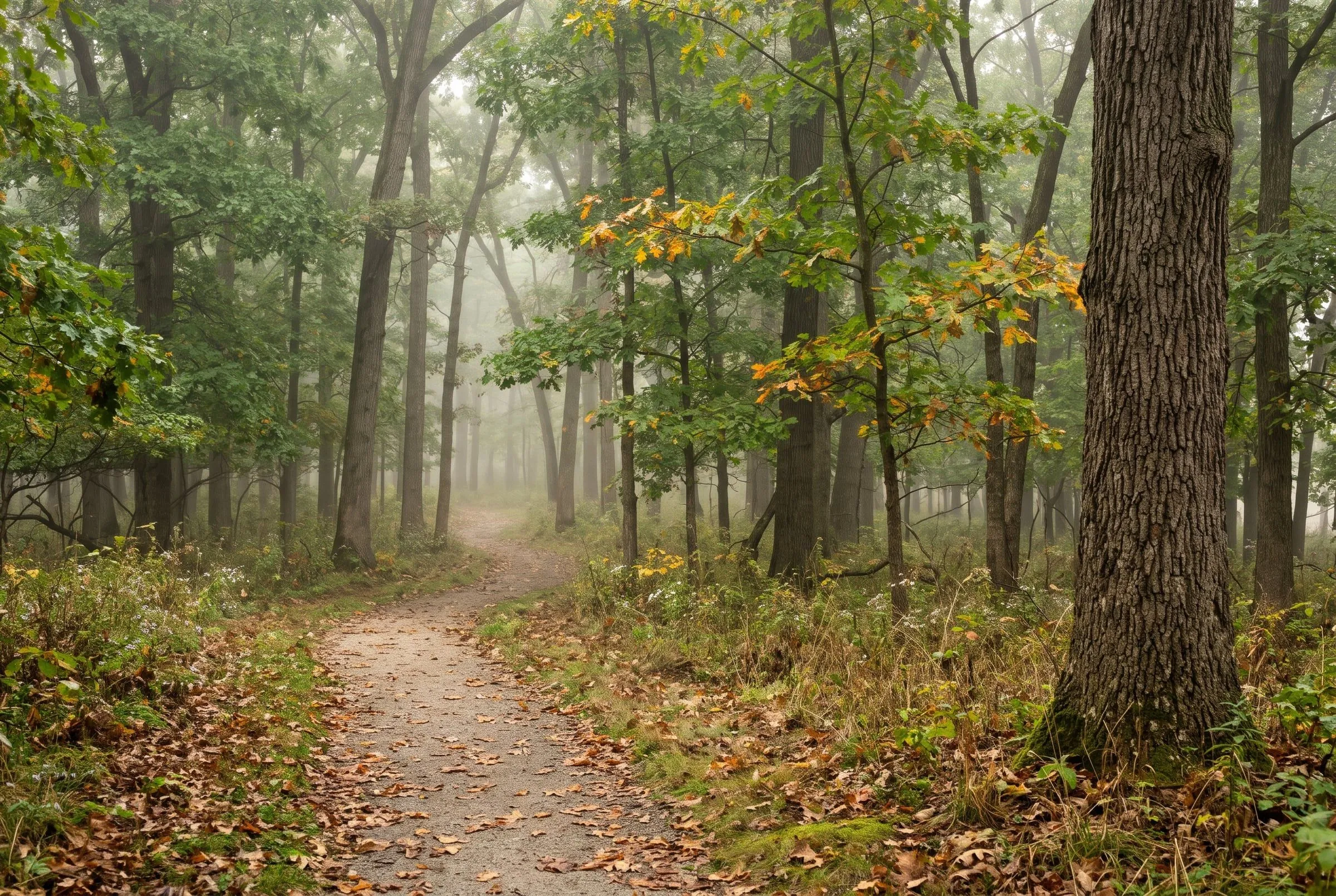
Finding your identity in recovery doesn’t happen overnight.
It will take new sunrises and many more hopeful days.
It will take patience and self-care.
If you’re feeling lost, please reach out.
Addiction and mental illness do not have to be the end result of who you are.
Help exists and hope is real.
Feel free to contact us if you require any further information about our services
Treatment · Aug 19, 2026
Adolescents struggling with substance use disorders or co-occurring mental health…
Mental Health · Aug 6, 2026
Summer is often seen as a time of joy, energy,…

Teen Treatment · Jul 16, 2026
As the school year begins, many teens experience a mix…
Mental Health · Jul 2, 2026
The barriers to obtaining comprehensive mental health treatment are more…
Mental Health · Jun 22, 2026
Post-traumatic stress disorder (PTSD) is a mental health condition that…
Mental Health · Jun 15, 2026
Veterans carry the weight of their service long after they…
Mental Health · Jun 15, 2026
Depression is one of the most common mental health conditions…

Mental Health · Jun 3, 2026
Mental and physical health are deeply connected. While many people…

Mental Health · May 22, 2026
Mental health and behavioral health are two terms that are…
Treatment · Apr 17, 2026
Many people ask, " Can you work while in rehab?”…